Yoga Nidra Explained: Yogic Sleep for Deep Relaxation, Healing & Better Sleep
Discover Yoga Nidra- the guided ‘yogic sleep’ that brings deep rest, reduces stress, improves sleep, and heals mind & body. Learn what it is, how it works & how to practice.
In a world buzzing with constant stimulation, Yoga Nidra offers a unique form of rest- a “yogic sleep” where body and mind slip into deep relaxation while consciousness remains awake. Often described as guided meditative rest, Yoga Nidra blends ancient yogic wisdom with modern therapeutic benefits. This blog breaks down what Yoga Nidra is, how it works, the science behind it, its many benefits, and how to practice it, whether you’re a complete beginner or seeking deeper healing.
What Is Yoga Nidra?
Origins & Meaning
Yoga Nidra, literally “yogic sleep” (from Sanskrit: yoga = union, nidra = sleep/rest) ... is a practice rooted in ancient yogic traditions and later codified in modern times.
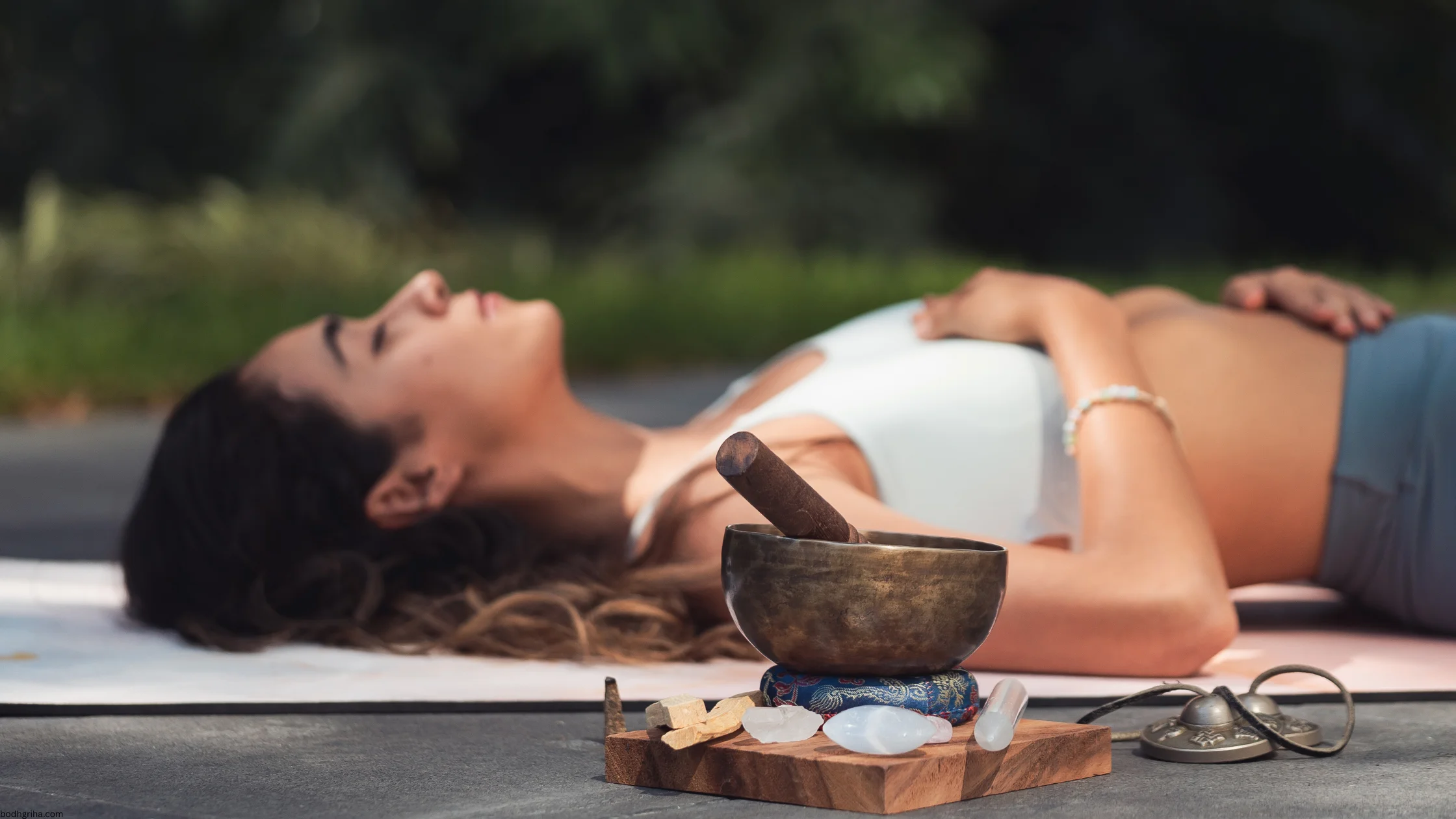
The form of Yoga Nidra most people do today was popularized in the 1960s by Swami Satyananda Saraswati. Sessions are typically done while lying down in a relaxed posture (commonly Shavasana / Corpse Pose), with eyes closed, guided through a structured process of body awareness, breath, and visualization.
Unlike traditional yoga ... which involves movement or physical postures, Yoga Nidra is practiced lying still; the aim is to bring the body into deep rest while maintaining conscious awareness.
The Internal Structure - What Happens During a Nidra Session
A typical Yoga Nidra session follows a structured, multi-stage process that leads the practitioner through relaxation, inner awareness, subtle body work, and sometimes visualization or intention (Sankalpa). Common stages include: body-scan, breath awareness, rotation of consciousness, visualization, and a final resolution or intention.
This structure helps the nervous system shift from a state of alertness (sympathetic dominance) to rest and restoration (parasympathetic), allowing deep physical, mental, and emotional release.
What Happens in the Brain & Body: The Science of Yoga Nidra
Research into Yoga Nidra is growing and increasingly supports its effectiveness in stress reduction, sleep improvement, emotional regulation, and more.
- A recent neuroimaging study showed that Yoga Nidra produces measurable changes in brain activity and connectivity during the session - including reductions in default-mode network connectivity (associated with mind-wandering) and patterns linked to deep rest and emotional regulation.
- Studies indicate that practicing Yoga Nidra can improve slow-wave (deep) sleep, enhancing sleep quality, memory consolidation, and cognitive functions such as learning and processing speed.
- Physiologically, Yoga Nidra activates the parasympathetic nervous system - promoting relaxation, lowering heartbeat and respiratory rate, decreasing stress hormones and calming the nervous system overall.
- Regular practice has been associated with reductions in anxiety, depression, post-traumatic stress symptoms, improved mood, emotional resilience, and better quality of life in various groups.
In short: Yoga Nidra doesn’t just feel relaxing ... it prompts real, measurable changes in how the brain and body function, helping reset stress responses and support healing.

Key Benefits of Yoga Nidra
Here’s what Yoga Nidra can support ...mentally, emotionally, physically ... based on both experiential accounts and scientific studies:
Deep Relaxation & Stress Relief
Yoga Nidra offers a rapid shift from “doing mode” to “being mode.” The body relaxes, breath slows, muscles soften, and the brain transitions toward restful brainwave states... a powerful antidote to chronic stress, burnout, or constant overstimulation.
Improved Sleep & Restorative Sleep Patterns
Regular practice can lead to better sleep quality, easier time falling asleep, deeper sleep, and improved sleep efficiency ... helpful for people struggling with insomnia, irregular sleep, or frequent awakenings.
Enhanced Mental Clarity, Focus & Emotional Balance
By calming mental chatter, reducing stress hormones, and boosting rest, Yoga Nidra helps improve focus, clarity, emotional regulation, and mental resilience. Some studies link regular practice to lowered anxiety, better mood, and improved self-esteem.
Emotional Healing, Self-Connection & Inner Awareness
Because Yoga Nidra works at the level of subconscious and subtle mind, many practitioners report deeper introspection- resolving emotional baggage, gaining insight, releasing trauma, and reconnecting with inner self.
Physical Benefits- Rest, Recovery & Nervous System Regulation
The state of deep rest supports recovery — reducing muscle tension, lowering blood pressure, calming the nervous system, and offering a restorative break. For chronic stress, overwork, or busy lifestyles, Yoga Nidra can be a healing sanctuary.
Complement to Therapy, Healing & Lifestyle Reset
Because Yoga Nidra is gentle, noninvasive, and accessible to most people... regardless of fitness or mobility ... it’s often recommended as a complementary tool for healing mental-health conditions, improving resilience, supporting self-care, and integrating mind-body- lifestyle balance.
How to Practice Yoga Nidra- A Simple Guide for Beginners
If you’re curious about trying Yoga Nidra, here’s a straightforward step-by-step outline to get started:
- Find a quiet, comfortable space - ideally a calm, dim-lit room. Lie down on your back (Shavasana), with a blanket or cushion if needed.
- Set an intention (Sankalpa) -a positive resolution or affirmation (e.g. “I am calm,” “I am whole,” “I rest deeply”) to carry into practice.
- Body-scan / Rotation of Consciousness - slowly move awareness through different body parts - toes, legs, hips, back, arms, shoulders, neck, face ... relaxing each area.
- Focus on breath or neutral awareness - observe the natural rhythm of breath, without forcing; let breathing calm down.
- Optional visualization or opposite sensations work - some Nidra might guide you through visual imagery, or alternate sensations (warm/cold, heaviness/lightness) to deepen inner awareness.
- Return to Sankalpa - revisit your intention, reaffirm it mentally, letting it settle into subconscious mind.
- Gradual externalization / return to waking state - slowly bring awareness back to surroundings, wiggling toes/fingers, gently opening eyes.
Sessions can range from 20 to 45 minutes (or longer). Many practitioners start with guided audio or teacher-led sessions. Consistency - even 3–4 times per week, yields noticeable benefits.
Is Yoga Nidra for Everyone? What to Know
Yoga Nidra is generally gentle and accessible - no previous yoga experience or physical flexibility required. That said, a few cautions:
- Because the practice guides you into deep states of consciousness/rest, people with recent trauma, active PTSD, or intense emotional distress might find some internal sensations difficult. It may be wise to practice under supportive guidance.
- Do not practice Yoga Nidra while driving, walking, or doing tasks that require alertness ... the state is deeply relaxed, sometimes close to sleep.
- Yoga Nidra does not replace proper physical sleep - it’s a supplement and cannot fully substitute for restful, regular sleep cycles.
Who Benefits Most from Yoga Nidra
Yoga Nidra is especially suitable for:
- People dealing with stress, anxiety, burnout, insomnia, or chronic overwork ... as a tool to reset nervous system and promote calm.
- Individuals seeking emotional healing, trauma recovery, or inner clarity ... allowing subtle mind-body integration and subconscious processing.
- Those with mobility limitations or physical fatigue ... since it requires no movement.
- Practitioners of yoga or meditation who want deep rest, recovery, and integration after asana or breathwork sessions.
- Anyone wanting better sleep, improved mental health, deeper self-connection and overall balance in a busy, overstimulating world.
Why Yoga Nidra Matters in Modern Life
We live in an era of busyness, overstimulation, constant inputs, and chronic stress. Physical exercise and traditional meditation help but sometimes, what the mind and body truly need is rest: deep, restorative, conscious rest that resets the nervous system, brings clarity, and heals from within. Yoga Nidra offers exactly that ... a bridge between wakefulness and deep sleep, a chance to rest without losing awareness, and a powerful tool for healing and transformation.
If you feel tired, overwhelmed, sleep-deprived, emotionally drained, or simply want a deeper connection with yourself... Yoga Nidra could become one of the most loving self-care tools you ever give yourself.
Share this article