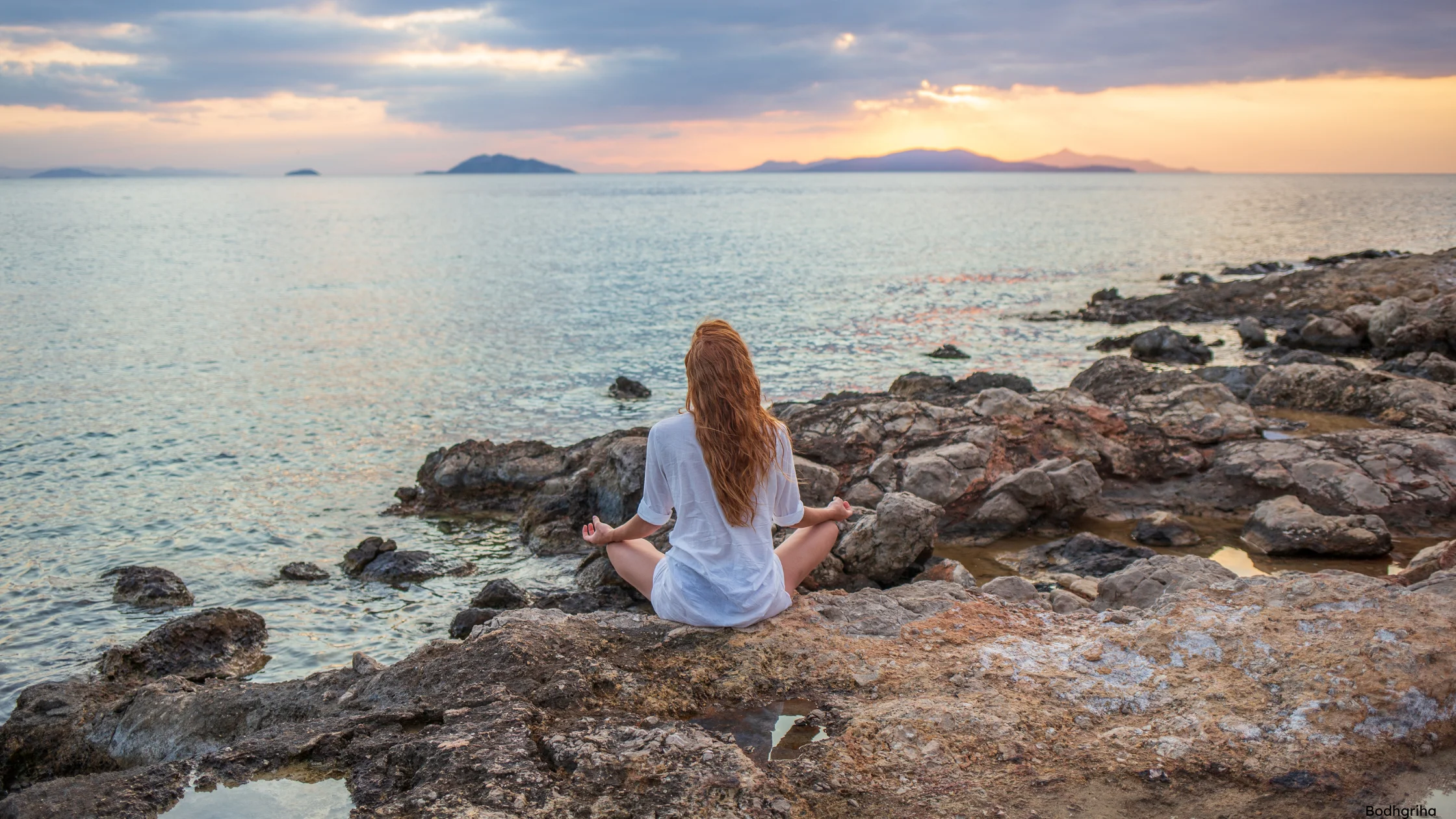
Meditation for Stress & Anxiety: Science-Backed Techniques to Calm Mind & Body
Discover how evidence-based meditation reduces stress, calms anxiety, improves mood and focus. Learn proven techniques, how to start, and build a sustainable practice.
In a world that seems permanently “on,” stress and anxiety are common companions. The good news: meditation offers an accessible, research-backed way to ease that mental burden, calm the nervous system, and restore balance. In this guide you’ll learn what meditation does in your brain and body, which styles are most effective for stress and anxiety, how to start a practice, and how to make it part of your life for lasting benefit.
Why Meditation Helps: What Science Says
Evidence That Meditation Reduces Stress & Anxiety
- A large meta-analysis of 47 trials found that mindfulness meditation programs helped reduce anxiety and depression, and had modest effects in lowering stress and psychological distress.
- Another systematic review concluded that meditative therapies (including mindfulness, mantra, and other approaches) consistently reduced anxiety symptoms better than control conditions.
- In randomized clinical trials, meditation training has helped people with anxiety disorders reduce symptoms ... in some studies, performing as well as antidepressant medication.
- Neurobiological research suggests meditation changes the brain’s stress-response systems, reducing physiological reactivity (like cortisol, heart rate, blood pressure) and promoting resilience to future stressors.
How Meditation Affects Mind & Body
Meditation triggers the body’s relaxation response ... a state opposite the classic “fight-or-flight” stress reaction. Regular practice helps:
- Calm the autonomic nervous system, leading to lower cortisol (stress hormone), more regulated heart rate/blood pressure, and reduced muscle tension.
- Improve emotional regulation by reducing rumination (replaying worries in your mind), increasing awareness of thought patterns, and helping you step back instead of reacting automatically.
- Boost cognitive clarity: attention and working memory improve, while mood disturbances and fatigue decrease after consistent practice.
- Enhance overall well-being: meditation supports better sleep, mood stability, a more compassionate relationship with self, and long-term stress resilience.
Meditation Styles for Stress & Anxiety
Not all meditation is the same. Here are types that are especially effective for calming stress and anxiety:
Mindfulness Meditation / Mindfulness-Based Stress Reduction (MBSR)
This involves observing breath, bodily sensations, thoughts, or emotions - with nonjudgmental awareness. The aim is to stay present, noticing when mind wanders and gently returning to the breath or sensation. MBSR, a structured program combining mindfulness, body awareness, and sometimes gentle movement, has the strongest body of research supporting anxiety and stress reduction.
Focused-Attention Meditation
Here, you focus on a single anchor - breath, a sound, a candle flame, or a mantra. Each time your mind wanders, you refocus. This technique trains concentration and helps interrupt spirals of anxious thoughts. It’s especially useful for those prone to worry or overthinking.
Body-Scan Meditation / Progressive Relaxation
You systematically bring attention to different parts of the body, noticing sensations and releasing tension. This helps reconnect mind-body awareness and can calm the nervous system, especially useful when anxiety manifests as physical tension or insomnia.
Loving-Kindness & Compassion Meditation
Though less studied than mindfulness, meditation practices centered on compassion, self-kindness, and positive intention can shift emotional tone, foster self-acceptance, reduce self-criticism, and support emotional wellbeing.
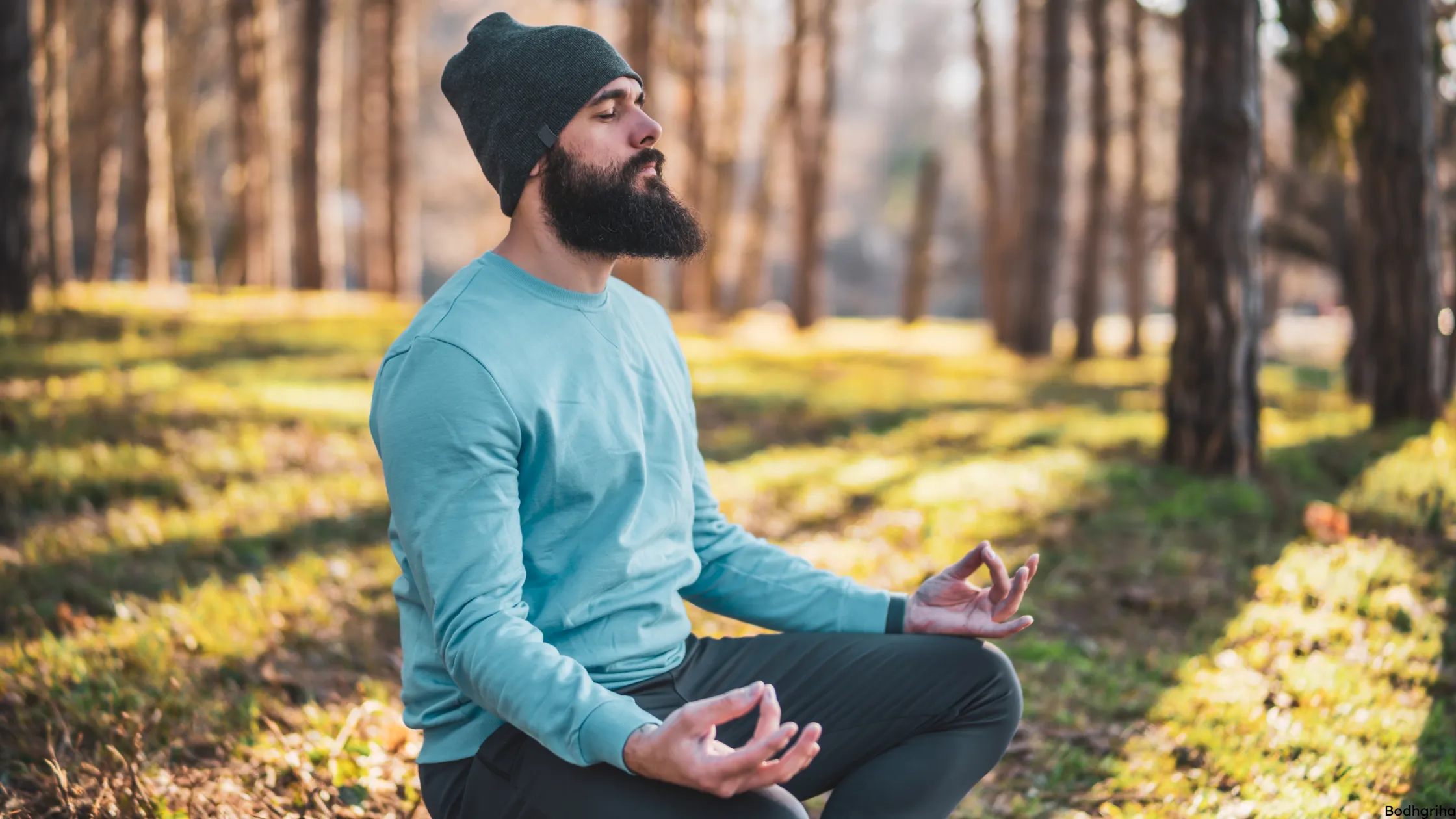
How to Start: A Beginner’s Meditation Routine for Stress Relief
Here’s a simple, effective way to begin:
- Find a quiet space - sit or lie comfortably, eyes closed or soft gaze.
- Choose a technique - start with 5–10 minutes of mindfulness or focused-attention meditation. Use the breath as your anchor.
- Notice & acknowledge -when thoughts arise, gently note them (“thinking,” “planning,” etc.) and return to your anchor... no judgment.
- End gently - sit for a moment before opening eyes, notice your breath, body, and surroundings.
- Consistency over duration - aim for daily or near-daily. Evidence shows even short daily sessions over 8 weeks produce measurable benefits.
You can also try integrating body-scan, loving-kindness, or mantra meditation as you grow comfortable.
When & How Often to Meditate
- Start with 5–10 min/day - many beginners find this manageable and sustainable.
- Best times: morning (to start the day calm), midday (if work or life gets stressful), evening (to unwind). Consistency matters more than timing.
- As you gain comfort, increase duration to 15–20 min, add a second session, or explore deeper or varied techniques.
Realistic Benefits & What Meditation Does And Doesn’t
What meditation reliably does:
- Lowers perceived stress and anxiety levels.
- Helps regulate mood, improves emotional resilience, and reduces reactivity to stress.
- Improves attention, memory, focus- helpful when anxiety makes concentration difficult.
- Supports better sleep, lowers blood pressure and improves general physical health over time.
What meditation doesn’t guarantee:
- It’s not a magic “cure”...for clinical anxiety or major mental health issues, meditation works best as complementary to therapy, lifestyle changes, and medical advice.
- Inconsistent practice yields weak results- regular, long-term practice brings real benefits.
Why Regular Meditation Builds Resilience & Long-Term Calm
Over time, meditation rewires the brain’s reaction to stress: instead of reactive fight-or-flight responses, the nervous system learns calm, balanced responses. Psychological reactivity- rumination, catastrophizing, chronic worry, tends to decrease. Emotional regulation gets stronger.
Regular meditators often report not just less anxiety but increased clarity, presence, compassion, inner stability, and a greater sense of overall well-being.
Sample 2-Week Starter Program
| Day | Practice | Duration |
|---|---|---|
| 1–3 | Focused-attention meditation (breath) | 5 min |
| 4–7 | Mindfulness meditation (observe breath & body) | 5–10 min |
| 8–10 | Body-scan meditation before sleep | 10–15 min |
| 11–14 | Mindfulness or Loving-Kindness meditation | 10–15 min |
Check in at the end of 14 days- note changes in mood, sleep, stress levels. Decide what to adjust (timing, technique, duration).
Share this article