
What Is Meditation? Types, Benefits & a Simple Guide to Start
Discover what meditation really is ... explore its main types (mindfulness, focused, compassion), learn science-backed benefits for stress, mood, focus and health, and find how to begin a daily practice.
Meditation is more than just “sitting quietly.” It’s a time-tested practice ... rooted in ancient wisdom and now backed by modern science. With regular practice, meditation can shift how you react to stress, regulate your nervous system, improve mental clarity, and even change your brain. In this blog, we break down what meditation is, explore different types, highlight evidence-based benefits, and walk you through how to begin a meditation habit.
What Is Meditation - At Its Core
At its simplest, meditation involves training your mind to focus or to observe thoughts, emotions, or sensory experiences ... rather than being carried away by them. Historically, meditation has been practiced in many spiritual and cultural traditions. Today it's used for wellness, mental health, self-growth and clarity.
Modern scientific interest in meditation has revealed how it affects the brain and body: functional imaging (fMRI, EEG) shows changes in brain activity and structure; meditators often exhibit reductions in stress responses and improvements in emotional regulation, attention and immune function.
Thus, meditation can be viewed as mental training ... like learning an instrument or a sport: the more you practice, the more your “mental muscles” strengthen.
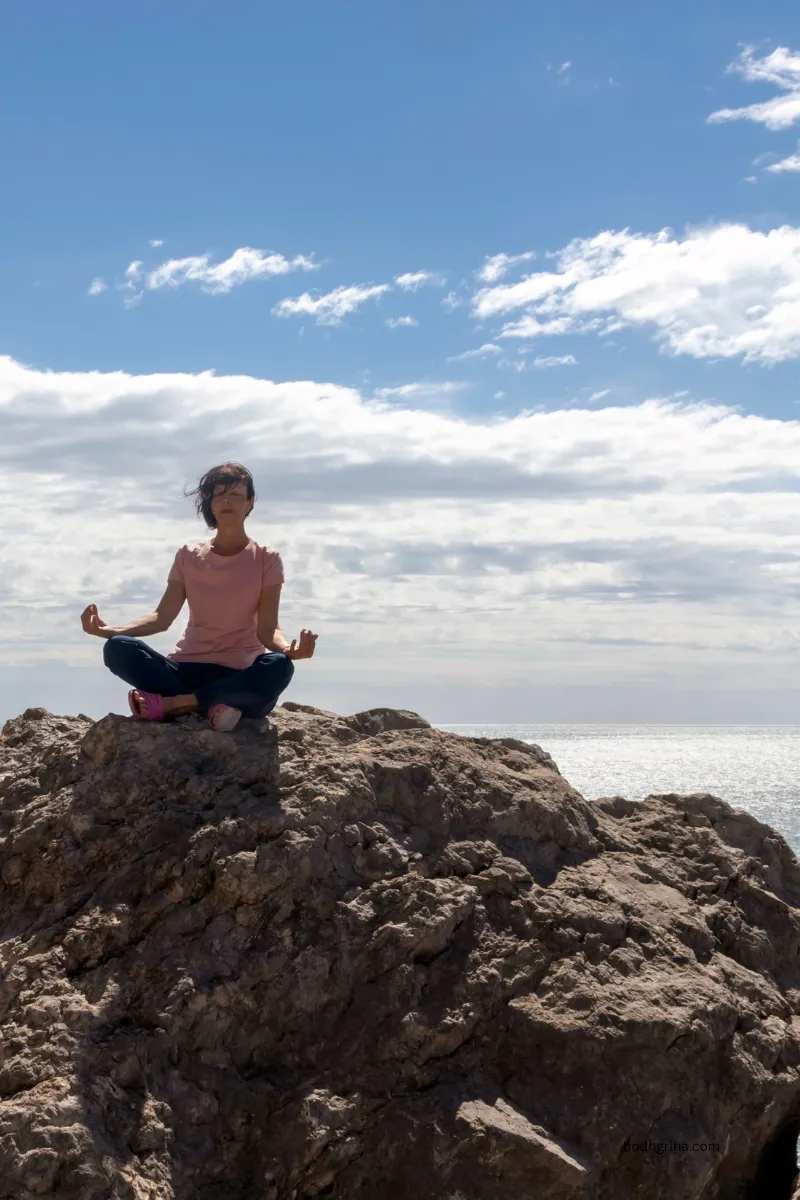
Common Types of Meditation
Meditation isn’t one-size-fits-all. Depending on your temperament and goals ... relaxation, focus, healing, insight... different styles will resonate more. Here are some common approaches:
1. Focused-Attention (FA) Meditation
This involves choosing an anchor ... a mantra, breath, candle-flame or sound and gently returning your attention to that anchor each time your mind wanders. It builds concentration, reduces mental chatter and increases self-control. Common forms: breath awareness, mantra repetition, candle-gazing.
2. Open-Monitoring (OM) / Mindfulness Meditation
Rather than focusing on a single point, OM invites you to observe whatever arises ...thoughts, emotions, bodily sensations or external sounds .. without judgment or attachment. Over time, this cultivates presence, emotional balance and inner awareness. Often used in therapeutic or daily-mindfulness contexts.
3. Compassion / Loving-Kindness Meditation (Metta)
This style emphasizes the cultivation of warmth, compassion and goodwill ... starting with oneself, then expanding outward toward loved ones, acquaintances, and even all beings. Practitioners often recite phrases like “May I be happy. May I be safe. May I live with ease.” Repeating them with intention helps reshape emotional patterns and increases empathy.
4. Self-Transcending / Mantra-Based & Transcendental Meditation (TM)
Using repeated sound (mantra), this style encourages effortless attention and mental stillness. TM and similar practices fall under this category. Some studies suggest this approach may offer deeper stress relief and long-term emotional benefits.
5. Guided, Movement & Body-Based Meditation
For beginners or those less comfortable with “silent sitting,” guided meditations, walking meditations, body-scan meditations, or movement-based practices (yoga nidra, tai chi, etc.) offer gentle entry points. These can be especially helpful to build awareness before diving into deeper meditation styles.
10 Evidence-Backed Benefits of Meditation
Meditation isn’t just a “feel-good hobby.” Decades of research highlight a growing list of physical, mental and emotional benefits:
- Stress & Anxiety Reduction — Meditation lowers cortisol and boosts emotional regulation, helping reduce symptoms of stress, anxiety and depression.
- Improved Emotional Health & Mood — Regular practitioners report greater calmness, stability, optimism and self-acceptance.
- Enhanced Focus, Memory & Cognitive Clarity — Meditation strengthens attention span, working memory, and executive function.
- Better Sleep & Reduced Insomnia — As the nervous system relaxes, meditators often experience deeper, more restful sleep.
- Physical Health Benefits — Some research links meditation to lower blood pressure, improved heart health, reduced inflammation, boosted immune response and better pain management.
- Greater Self-Awareness & Emotional Regulation — Meditation helps observe thoughts without reaction, encouraging clarity, self-control and resilience.
- Enhanced Compassion, Empathy & Social Connection — Practices like loving-kindness meditation increase feelings of goodwill, connection and altruism.
- Resilience to Stress & Improved Well-being Long-Term — Consistent meditation practice can reshape stress response systems, leading to lasting resilience rather than short-term relief.
- Reduced Symptoms in Chronic Conditions — Including chronic pain, insomnia, some mood disorders and stress-related illnesses.
- Better Quality of Life & Emotional Balance — Many meditators report a deeper sense of meaning, inner peace, and improved coping in daily life.

How to Start Meditating - A Beginner’s Guide
Starting meditation doesn’t require props, a special environment or large blocks of time. Consistency and intention matter more than anything else.
1. Choose a Simple Method
For first-timers, focused-attention (breath awareness) or guided body-scan / mindfulness mediation tend to be gentle and accessible.
2. Set a Short, Achievable Time
Aim for 5–10 minutes/day to begin. Studies show benefits even from short, daily meditation and consistency is more important than length.
3. Create a Quiet, Comfortable Space
Sit upright on a cushion or chair, keep the spine straight, close your eyes or soften your gaze, and set a timer.
4. Be Gentle and Non-Judgmental
Your mind will wander ... that’s natural. Each time you notice it, gently return to your anchor (breath, sound, body). Think of it as mental training.
5. Make It a Habit
Schedule your sessions ... morning, mid-day break or before sleep. Consistent practice builds benefits over time.
6. Explore and Adapt
As you grow more comfortable, you can experiment with different styles ... loving-kindness meditation, mantra meditation, walking meditation, etc. Choose what resonates.
When & Why Meditation Works: The Science Behind It
Modern neuroscience and clinical studies continue to uncover how meditation reshapes the brain and body:
- Neuroimaging (fMRI/EEG) shows changes in brain structure... increased grey matter in areas associated with attention, emotional regulation and mindfulness.
- Studies show that just 8 weeks of regular daily meditation can improve memory, reduce stress responses and stabilize mood. Other research highlights reductions in inflammation, improved immune function, better cardiovascular health and healthier aging markers in regular meditators.
In other words ... meditation is not only “mental wellness.” It’s a mind–body practice that supports long-term holistic health, emotional balance and resilience.
Meditation as a Lifelong Practice
Meditation is like fitness for the mind. Whether you choose a simple breath-focus technique or a deeper loving-kindness practice, the impact builds over time ... subtle but profound.
Start gentle. Stay consistent. Allow yourself to grow into the experience. Think of each session not as a magical fix, but as a small, steady investment in your mental, emotional and physical well-being.
Over months and years, this quiet practice can transform stress into serenity, wandering thoughts into clarity, and inner chaos into presence. In a busy world, meditation offers a path to reconnect ... with yourself, with peace, with life.
Share this article