Kerala Ayurveda Retreats 2026: The Ultimate Guide to Panchakarma, Rasayana & Holistic Healing
Planning a Kerala Ayurveda retreat in 2026? Discover how Panchakarma and Rasayana therapies cleanse and rejuvenate, why Kerala is the hub of authentic Ayurveda and practical tips for choosing and preparing for your holistic wellness journey.
Ayurveda...the ancient healing system that emerged in India over 5,000 years ago...literally means "science of life". It teaches that health is a state of balance between body, mind and spirit, and that imbalance leads to disease. In Kerala, Ayurveda isn’t merely a spa trend; it’s a living tradition interwoven with daily life. The state’s tropical climate, abundant medicinal herbs and trained practitioners make it one of the world’s premier destinations for authentic healing and rejuvenation. This guide explores the philosophy behind Kerala’s Ayurvedic retreats, the therapies they offer...especially the famous Panchakarma cleanse and provides practical tips for planning a transformative visit in 2026.
Understanding Ayurveda and Why Kerala Stands Out
Unlike symptom‑focused medicine, Ayurveda views each person as a unique combination of doshas...Vata, Pitta and Kapha...that govern physical, mental and emotional functions. Treatments aim to harmonise these energies through diet, herbs, yoga, massage, meditation and detoxification. Kerala stands out because of its deep lineage of Ayurvedic physicians (known as vaidyas), centuries‑old treatment protocols and a climate that nurtures medicinal plants. Many of Kerala’s wellness resorts operate under government‑approved centres, blending hospitality with serious health care.
Rasayana Chikitsa: Rejuvenation Therapy
Among the most sought‑after experiences at Kerala retreats is Rasayana Chikitsa, often translated as rejuvenation therapy. This is not a quick fix or a cosmetic treatment; it is a holistic programme designed to revitalise the body and mind at a cellular level. Kerala Tourism describes Rasayana as a therapy that eliminates the ill effects of stress and previous ailments, detoxifies the body, and revitalises the mind and spirit. It uses medicated herbal oils, special diets and lifestyle adjustments to help restore the natural glow and energy of youth. Many people undertake Rasayana to boost immunity, slow ageing, or recover from burnout, seeing it as a “second lease of life”.
Panchakarma: Ayurveda’s Signature Detox
While Rasayana rebuilds, Panchakarma cleanses. The Sanskrit term means “five actions,” referring to five cleansing techniques used to eliminate toxins and restore equilibrium. According to Kerala Tourism, Panchakarma is a combination of specialised procedures that use herbal and organic medicines and avoid the promise of instant gratification; the aim is both short‑term relief and long‑term well‑being. Practitioners assess your constitution (dosha profile) and design a programme unique to you.
Modern wellness trends often frame detox as a juice fast or a colon cleanse, but in Ayurveda it’s far more comprehensive. A Kerala Ayurveda USA article notes that Panchakarma is not just a gut cleanse or spa massage, but a powerful intervention that cleanses the mind‑body‑spirit complex. It uses customised herbal formulations, medicated oils, therapeutic vomiting (vaman), purgation (virechana), herbal enemas (vasti), nasal therapies (nasya) and bloodletting (raktamokshana) to pull impurities from the tissues and expel them. The process is highly individualised; the therapies, duration and diet are adjusted to each person’s imbalances and goals.
The Three Stages of Panchakarma
Panchakarma unfolds in three phases, each essential to the overall transformation:
-
Purvakarma (Preparation) – This preparatory stage includes internal and external oleation (consumption and massage with medicated oils) and induced sweating to loosen toxins stored in tissues. Warm oil massages (abhyanga), herbal steam baths and specific diets soften and mobilise impurities so they can be removed.
-
Pradhanakarma (Main Cleanse) – During this phase, the practitioner administers one or more of the five cleansing procedures (vaman, virechana, vasti, nasya, raktamokshana) to expel toxins and restore balance. Because the body has been prepared, these treatments work deeply yet safely.
-
Paschatkarma (Post‑Treatment Care) – Ayurveda’s wisdom shines in this stage. After the cleanse, the body is vulnerable, so attention turns to diet, rest and lifestyle modifications to rejuvenate tissues and prevent disease recurrence. This might involve herbal tonics, Rasayana therapy, gentle yoga and meditation. Kerala Tourism emphasises that this rehabilitation..sometimes called rasayana chikitsa...is what sets Panchakarma apart from “quick detox” fads.

Common Treatments and Therapies at Kerala Retreats
Kerala Ayurveda centres offer a wide range of therapies beyond Panchakarma. Here are some you may encounter:
- Abhyanga – A full‑body oil massage using warm medicated oils tailored to your dosha; improves circulation, nourishes tissues and calms the nervous system.
- Shirodhara – A steady stream of warm oil poured on the forehead; deeply relaxing and helpful for insomnia, anxiety and mental fatigue.
- Pizhichil – A soothing treatment where warm medicated oil is squeezed over the body while masseurs synchronously massage; beneficial for arthritis and nervous disorders.
- Njavara Kizhi – A unique Kerala therapy using poultices of cooked Njavara rice and herbal decoctions to nourish tissues and relieve pain.
- Udwarthanam – A dry powder massage that improves circulation and helps with obesity and cellulite.
Many programmes also include yoga and pranayama sessions to support cleansing and mind–body integration, along with meditation or chanting to quiet the mind.
A Day in the Life at an Ayurvedic Retreat
Every retreat has its own rhythm, but a typical day might look like this:
- Morning – Wake with the sunrise for gentle yoga and breathing exercises. Early movement helps release overnight stiffness and sets a calm, focused tone for the day.
- Breakfast – Simple, nourishing meals are prepared using fresh, local ingredients. Food is considered medicine and is tailored to your dosha and stage of treatment.
- Treatments – Depending on your programme, you might receive abhyanga, shirodhara or start the main Panchakarma therapies. Therapists use herbal oils and techniques to loosen and remove toxins.
- Rest & Integration – You’ll have plenty of downtime to nap, journal or sit quietly by a lotus pond. Quiet reflection is essential to assimilation and healing.
- Lunch & Lectures – Some retreats offer educational sessions on Ayurveda, cooking classes, or group discussions on stress management and lifestyle.
- Evening – Perhaps a guided meditation, chanting, or gentle restorative yoga. Early dinner is followed by herbal teas and early bed to synchronise with natural rhythms.
Over several days or weeks, this structured routine helps reset your body’s clock, restore digestive fire and cultivate mindfulness...a true retreat from the distractions of modern life.
Choosing the Right Retreat for You
- Define your goal – Are you looking for detoxification, stress management, rejuvenation, weight loss or treatment of specific ailments? Goals determine the required duration and intensity. Panchakarma programmes often require at least 14 days for effective results.
- Check accreditation – Look for centres recognised by Kerala’s Department of Tourism or accredited under the National Accreditation Board for Hospitals & Healthcare Providers (NABH). Credentials ensure that therapies follow classical protocols and that doctors are qualified.
- Understand the regimen – Ask whether the retreat offers full Panchakarma or just select treatments. Clarify whether yoga, meditation and diet counselling are included. Some luxury resorts lean more towards spa experiences, while authentic clinics focus on therapeutic depth.
- Review environment & accommodation – Do you prefer a beach, a forest or an urban setting? The surroundings should support healing. Also consider whether you want private or shared rooms, and if the retreat has amenities like pools, gardens or libraries.
- Ask about aftercare – The Paschatkarma phase is crucial. Choose a centre that provides guidance on diet, lifestyle and herbal supplements for life after the retreat.
Best Time to Visit Kerala for Ayurveda
Kerala’s tropical climate makes retreats possible year‑round, but certain seasons offer distinct advantages:
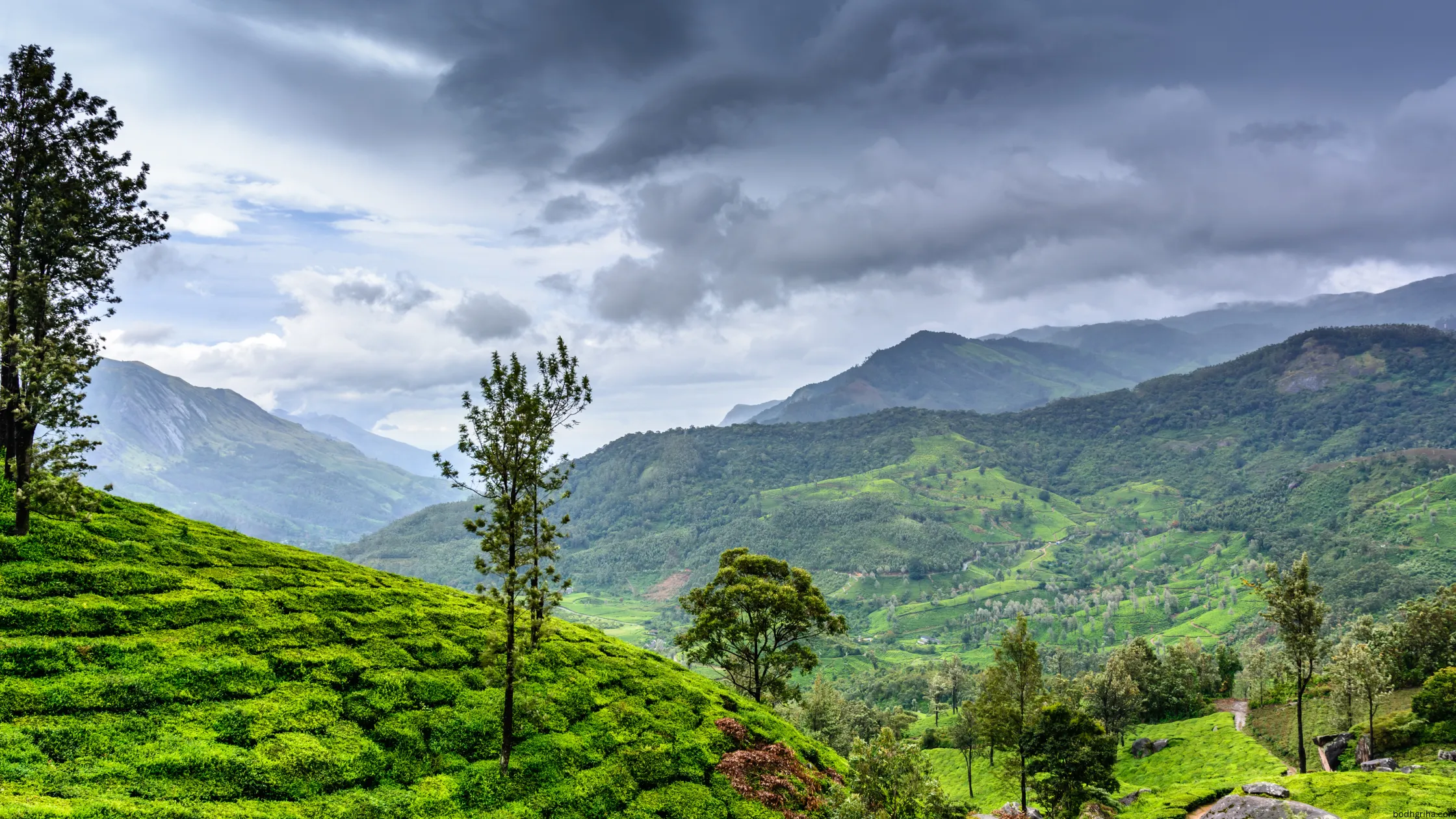
- Monsoon (June–September) – Many practitioners consider the rainy season ideal for Panchakarma. The cool, moist climate opens pores and facilitates the absorption of herbal oils. Monsoon also brings fewer tourists and lower rates.
- Winter (October–February) – Pleasant weather attracts travellers seeking a combination of Ayurveda and sightseeing. Retreats are busy, so book early.
- Summer (March–May) – Hot and humid conditions can intensify detox symptoms for some. However, rates may be lower, and the ocean breeze along the coast offers relief.
When planning for 2026, consider your tolerance for weather and your schedule. Most retreats recommend starting Panchakarma when you can rest completely, free from major work or social commitments.
Preparing for Your Ayurveda Retreat
A few weeks before your trip, begin shifting your lifestyle towards Ayurveda’s rhythms:
- Adjust your diet – Minimise caffeine, alcohol and processed foods. Eat freshly cooked, plant‑based meals and drink plenty of water. This prepares your digestive fire (agni) for detox.
- Establish a sleep routine – Go to bed before 10 pm and wake early. Adequate rest ensures your body can process toxins during treatment.
- Practice gentle yoga and meditation – Familiarising yourself with mindfulness practices helps you slip easily into the retreat’s routine.
- Pack mindfully – Bring comfortable cotton clothing, sandals, a journal, a water bottle and any necessary medications. Avoid bringing heavy work or emotional baggage; commit to fully surrendering to the experience.
- Keep an open mind – Ayurvedic detox can bring up physical discomfort and emotional release. Trust your practitioners and be patient with yourself.
Long‑Term Benefits and Takeaways
Guests often emerge from Kerala’s Ayurvedic retreats feeling lighter, clearer and more connected. Beyond the immediate glow, the deeper benefits include:
- Reset digestive fire and improved metabolism – Panchakarma rekindles agni, supporting efficient digestion and assimilation.
- Reduced toxin load (Ama) – Systematic cleansing removes accumulated waste and allows tissues to heal.
- Balanced nervous system and emotional clarity – Daily yoga, meditation and herbal treatments calm the mind and enhance resilience.
- Better lifestyle habits – The Paschatkarma phase teaches you how to eat, exercise and rest in alignment with your constitution.
- Spiritual insight – Many guests find that time away from technology and external demands opens space for deeper self‑inquiry and gratitude.
By 2026, the world of wellness tourism will likely be even more saturated with quick fixes and trend‑driven programs. Kerala’s Ayurvedic retreats remain timeless because they focus on personalised, root‑cause healing rather than one‑size‑fits‑all solutions. If you are seeking a profound reset...physically, mentally and spiritually...Kerala’s combination of ancient wisdom, natural beauty and skilled practitioners offers a pathway back to balance.
Share this article