Food & Diet on Yoga Retreats: Why a Sattvic Menu Makes the Difference
Choosing a yoga retreat often means more than committing to asanas, meditation, or pranayama. What you eat during the retreat ... the meals, snacks, hydration and timing ... plays a powerful role in how your body and mind respond. This blog explores the core principles of retreat nutrition, why it’s usually plant-based and “sattvic,” what a typical retreat diet looks like, and how mindful eating supports your practice and wellbeing.
Why Diet Matters on Yoga Retreats
- Retreat food supports your physical and energetic work. A clean, balanced diet resets digestion, stabilizes blood sugar, boosts energy and helps the nervous system stay calm ... which enhances your yoga and meditation sessions.
- Yoga tradition emphasizes healing foods. A sattvic diet ... plant-based, whole foods, fresh and seasonal ... nourishes the body, calms the mind and aligns with yogic values of non-violence and balance.
- Eating mindfully magnifies benefits. When you eat slowly, chew thoroughly and savour each bite, digestion improves, cravings diminish, and you become more aware of how food affects your energy and mood.

What Makes a Retreat Diet Unique
On a yoga retreat, meals are intentionally designed to align with your body’s needs during deep practice and detox:
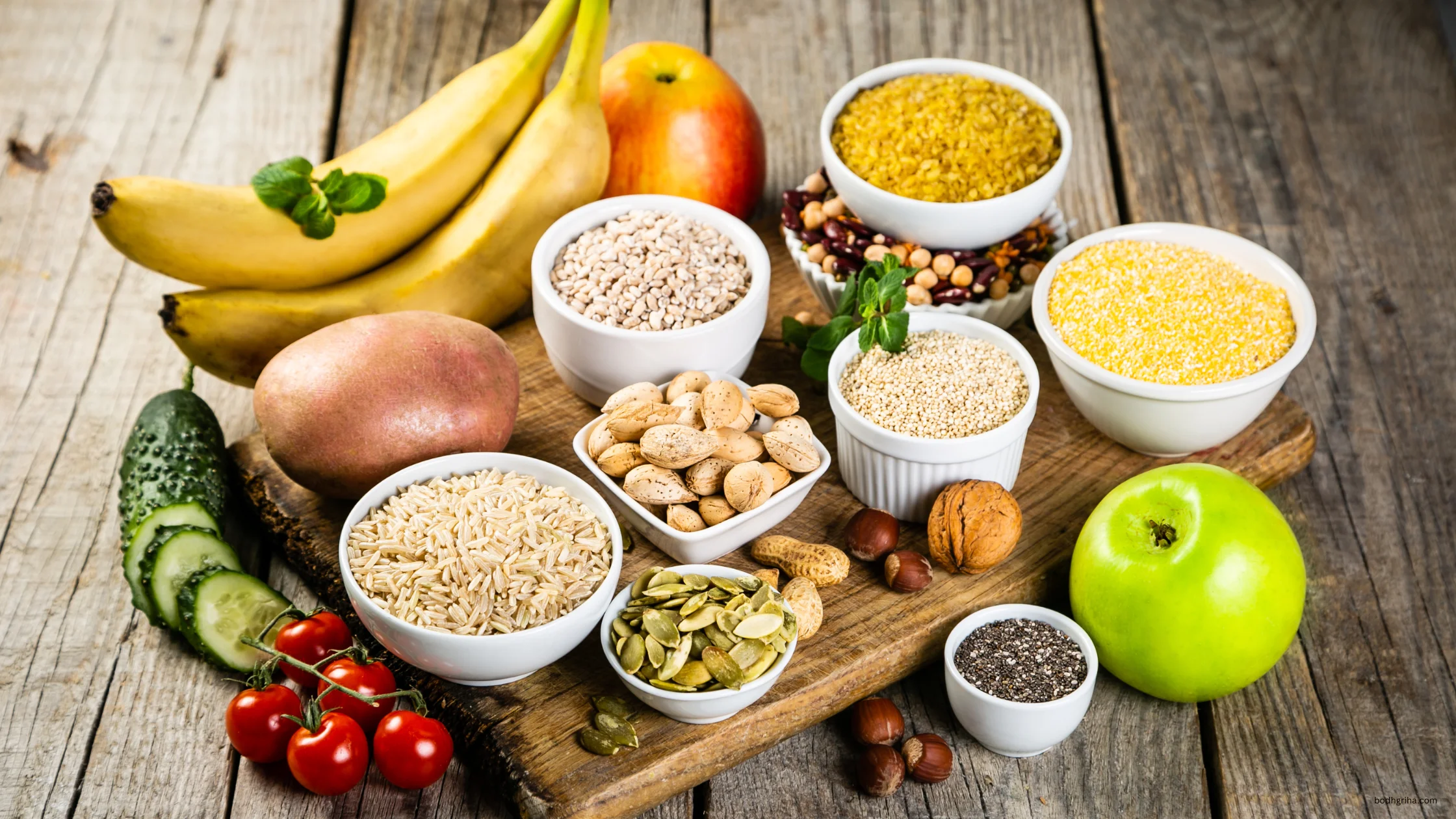
- Whole-food, plant-based menus. Expect fresh vegetables, fruits, grains, legumes, nuts and seeds. Dairy or plant-based substitutes may be included depending on the retreat style. Meat, processed foods, heavy sauces and refined sugars are typically avoided.
- Simple, seasonal, local ingredients. Many retreats source produce from nearby farms or gardens ... food at its freshest supports vitality, digestion and immunity.
- Nutrient-dense, balancing meals. Instead of heavy or greasy dishes, you’ll find meals offering good protein (beans, lentils, nuts), complex carbs (whole grains), fiber, vitamins and hydration .. key for yoga practice and detox.
- Sattvic meal principles. Avoidance of overly greasy or processed foods, alcohol, caffeine and overstimulating ingredients. Meals aim to be light yet nourishing; the body remains grounded but alert enough for meditation and asana.
A Typical Day of Eating at a Yoga Retreat
Here’s how meals are usually structured on a retreat to support practice:
| Time | Typical Meal / Beverage |
|---|---|
| Early morning | Warm water or herbal tea, light fruit |
| Breakfast | Oat porridge or whole-grain toast, fruit, nuts or seeds |
| Mid-morning | Herbal tea or fresh fruit |
| Lunch | Steamed vegetables, whole grains, lentils/beans, salad, coconut water |
| Afternoon | Light snack if needed (fruit, nuts, seeds) |
| Evening | Light cooked dinner- grains, vegetables, mild curry or stew |
| Night | Herbal tea, possibly a mild digestive tonic |
Meals are often served on schedule to align with yoga sessions and meditation periods. Retreat menus may also include gluten-free, dairy-free, vegan or other dietary restriction options when needed.
Benefits for Body, Mind & Practice
- Better digestion & stable energy: Whole foods and balanced meals prevent spikes and crashes in blood sugar, keeping energy consistent throughout yoga and meditation sessions.
- Mental clarity & calm: A sattvic diet supports steady mental energy, reduces agitation, and creates a calm backdrop for mindfulness ...ideal for deepening your practice.
- Enhanced detox & renewal: Plant-based meals high in fiber support detoxification and gut health ... especially useful if the retreat includes cleansing or detox elements.
- Mind-body synergy: A diet aligned with yoga philosophy ...light, clean, natural ... harmonizes with the body’s rhythms (breath, circulation, energy), making physical and spiritual practices more effective.

What to Be Mindful About
- Transition carefully: If you normally eat heavy, processed or meat-based meals, the shift toward light, plant-based food may cause temporary digestive changes. Allow your body a few days to adjust.
- Hydration matters: Clean, healthy meals often accompany increased water and herbal/infusions intake. Hydrate plenty, especially if schedule involves heat, steam, or yoga sessions.
- Listen to your body: Everyone’s constitution (dosha) is unique. If you need dairy for protein or feel cold in a sattvic diet, check with retreat staff or adapt sensibly.
- Reintegration after retreat: Returning to a heavy or processed diet may undo retreat benefits. Some retreats offer guidance for post-retreat eating and lifestyle transitions.
Tips for Choosing or Applying a Yoga-Retreat Diet for Yourself
- Check the menu philosophy – Opt for retreats that promote fresh, plant-based, seasonal meals rather than heavy “detox spas.”
- Communicate dietary needs – Whether you’re vegan, gluten-free, or have allergies, ensure the retreat can accommodate you.
- Give yourself time to adjust – A lighter diet paired with yoga and meditation can lead to physical shifts and mental clarity. Be gentle with yourself, especially first 1–2 days.
- Embrace meal-time mindfulness – Eat slowly, chew thoroughly, notice flavour and texture ... treat meals like another form of meditation.
- Integrate lessons at home – Use the retreat diet as a reset: try to continue eating clean, whole foods after you return for enduring benefits.
Closing Thoughts
Food on a yoga retreat isn’t just fuel .. it’s an integral part of healing, transformation and practice. A thoughtfully curated diet supports your yoga, meditation and breathwork, while nourishing your body and calming your mind.
By aligning meals with yogic and Ayurvedic principles ... freshness, balance, plant-based nutrition and moderation... retreats offer a chance to recalibrate your body’s rhythms, detox, recharge and deepen your overall wellness.
If you’re planning a yoga retreat, prioritise cuisine that matches your intention: clean, whole-food meals that support your body-mind journey. And once you return home, carry forward the lessons ... sometimes the most powerful practice begins at the dinner table.
Share this article