
What’s Your Dosha? Discover Vata, Pitta, and Kapha in Ayurveda
Discover Ayurveda and its three Doshas...Vata, Pitta, and Kapha. Learn their traits, identify your dominant Dosha with a quiz, and explore natural tips for holistic balance.
What is Ayurveda?
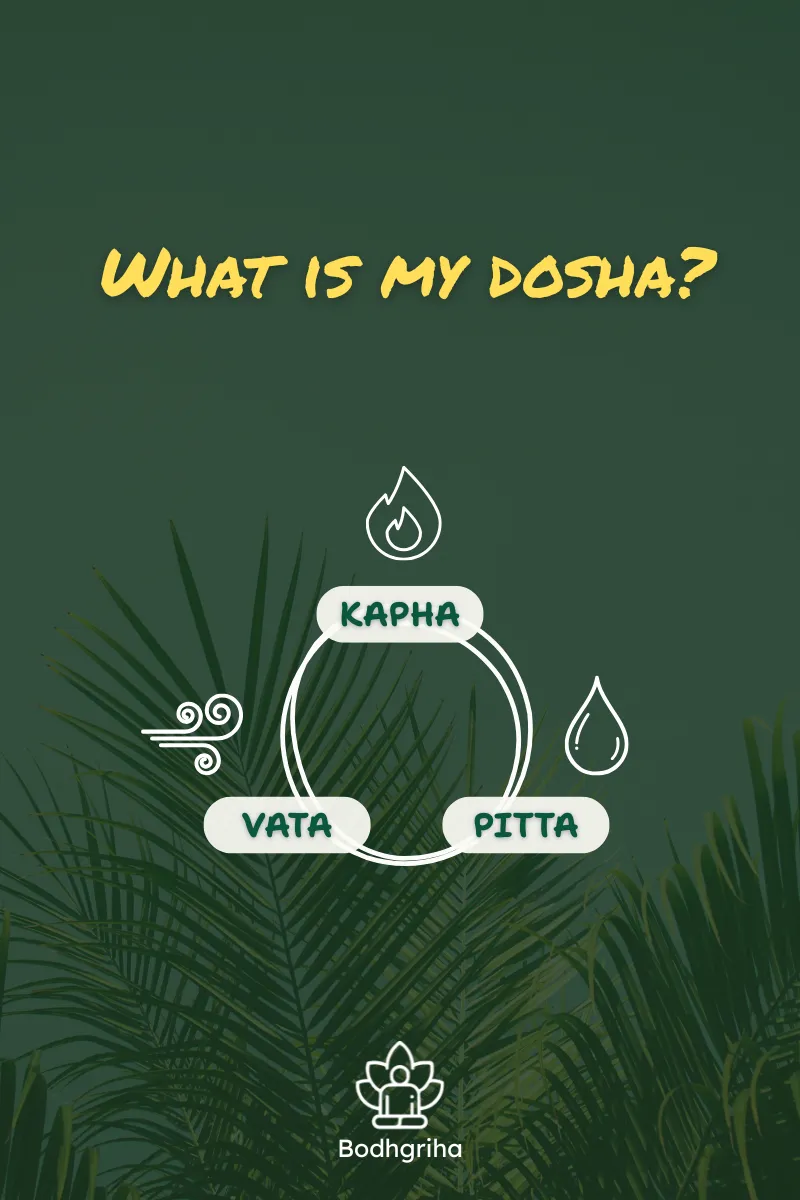
Ayurveda, the "science of life," is a 5,000-year-old holistic healing system from India that focuses on balancing the mind, body, and spirit. Central to Ayurveda is the concept of the three Doshas-Vata, Pitta, and Kapha...which are energies derived from the five elements of nature: earth, water, fire, air, and ether.
Each person has a unique combination of Doshas that influences their physical and emotional characteristics. Understanding your dominant Dosha helps you align with daily habits, diet, and lifestyle choices that promote optimal health and well-being.
The Three Doshas
Vata (Air + Ether)
Core Energy: Movement and communication
Traits: Vata types are energetic, imaginative, and quick-thinking. They tend to have a slender frame, dry skin, cold extremities, and variable appetite and digestion. Their sleep may be light and easily disturbed. Mentally, Vata individuals are creative and love change and variety.
Signs of Imbalance: Anxiety, insomnia, dry or flaky skin, bloating, constipation, scattered thoughts, and sensitivity to cold weather.
Balancing Tips:
- Stick to a consistent routine with regular meals and sleep.
- Favor warm, cooked, oily, and grounding foods such as soups and stews.
- Avoid raw, cold, and dry foods.
- Engage in calming activities like meditation, journaling, or gentle yoga.
- Apply warm sesame oil in self-massage (abhyanga) to calm the nervous system.
Pitta (Fire + Water)
Core Energy: Transformation and metabolism
Traits: Pitta types are sharp, focused, and determined. They typically have a medium, muscular build, warm body temperature, and a strong digestive fire (Agni). Pitta individuals are ambitious, organized, and often excel in competitive environments. Their skin may be oily and prone to inflammation.
Signs of Imbalance: Irritability, anger, skin rashes, heartburn, excessive sweating, inflammation, and perfectionist tendencies.
Balancing Tips:
- Keep cool—avoid excessive heat, sun exposure, and spicy or acidic foods.
- Eat cooling foods like cucumbers, melons, leafy greens, and coconut water.
- Incorporate calming practices such as nature walks, moon gazing, or restorative yoga.
- Use coconut or sandalwood oil for body massage to soothe heat.
Kapha (Earth + Water)
Core Energy: Stability and structure
Traits: Kapha types are calm, nurturing, and grounded. They have a sturdy or heavier frame, smooth and oily skin, thick hair, and slow metabolism. Emotionally, they are loyal and compassionate but may resist change. They thrive on stability and routine but can become stagnant if out of balance.
Signs of Imbalance: Lethargy, sluggish digestion, weight gain, attachment, resistance to change, depression, and excessive sleep.
Balancing Tips:
- Get moving! Favor energizing and stimulating activities like dancing, brisk walking, or dynamic yoga.
- Eat light, warm, and dry foods. Reduce intake of dairy, sugar, and heavy meals.
- Vary your routine to break monotony and spark creativity.
- Use invigorating oils like eucalyptus or mustard oil for self-massage.
Dosha Self-Assessment Checklist
Mark the statements that resonate most with you.
Vata Checklist:
- I have a light, lean body frame.
- I tend to feel cold easily.
- My energy comes in bursts; I get tired easily.
- I have dry skin and irregular digestion.
- I am creative and talkative.
Pitta Checklist:
- I have a medium build and good muscle tone.
- I often feel warm or hot.
- I’m competitive and goal-driven.
- I have strong digestion and a good appetite.
- I can be impatient or critical.
Kapha Checklist:
- I have a larger or stocky build.
- I prefer warm, dry weather.
- I tend to gain weight easily.
- I’m calm, patient, and nurturing.
- I sometimes feel sluggish or unmotivated.
Tally your checks: The Dosha with the most marks is likely your dominant one.
What to Do After Identifying Your Dosha
Now that you have an idea of your dominant Dosha, here’s how to take the next steps in applying Ayurvedic wisdom to your everyday life:
-
Start with Awareness: Begin observing your energy levels, digestion, emotions, and sleep in light of your Dosha traits. This awareness is the first step in rebalancing.
-
Adjust Your Daily Routine: Incorporate morning and evening routines tailored to your Dosha. For example, Vata types benefit from a predictable schedule and warm oil massage, while Kapha types thrive with invigorating morning movement.
-
Modify Your Diet: Tailor your meals based on your Dosha. A Pitta-dominant individual should favor cooling, non-spicy foods, while a Vata-dominant person might need warm, moist dishes.
-
Experiment with Herbal Support: Ayurvedic herbs like ashwagandha (for Vata), brahmi (for Pitta), and trikatu (for Kapha) can support balance when used correctly. Always consult a certified practitioner before starting herbs.
-
Explore Ayurvedic Treatments: Consider booking a consultation or trying therapies like Shirodhara, Abhyanga, or Panchakarma at an Ayurveda retreat or center near you.
-
Track Progress: Journaling or using wellness apps can help monitor what’s working and identify signs of balance or excess.
Bringing Balance: Personalized Ayurveda
Once you’ve identified your Dosha, you can make targeted adjustments to your diet, daily routines, and activities to stay balanced. Ayurveda isn’t about strict rules but about attunement to your body's signals and adapting with awareness.
Ready to Explore More?
Stay updated with Ayurvedic tips, recipes, and retreat listings tailored to your Dosha.
Sign up for our newsletter and begin your journey into holistic wellness.
Live in harmony. Thrive with balance. Embrace your nature.
Share this article