Pranayama for Beginners: 5 Simple Breath Techniques & When to Practice
Discover five easy pranayama techniques for beginners ... from alternate-nostril breathing to cyclic sighing and learn the best times to practice for stress relief, clarity, and balance.
Breath is one of the most powerful tools we possess ... yet most of us use it unconsciously. Pranayama transforms breathing into a conscious, healing practice that can calm the mind, balance the nervous system, and support wellbeing. In this guide, you’ll learn what pranayama is, five beginner-friendly techniques backed by research, when to practise, how often, and how to build a breathwork routine that fits your daily life.
What Is Pranayama & Why It Matters
Prana & Purpose
The Sanskrit word “Pranayama” combines prāṇa ... meaning “life force” or “vital energy”, with āyāma, meaning “extension,” “expansion,” or “control.” In essence, pranayama is the conscious regulation of life force through breath. It’s considered the fourth limb of classical yoga, a bridge between physical postures (āsana) and deeper meditation practices.
Through specific breath control techniques ... such as regulating inhalation, exhalation, and breath retention .. pranayama helps manage your nervous system, stress response, and energy flow. When done mindfully, it supports emotional balance, mental clarity, respiratory health, and overall calm.
Health Benefits Backed by Research
Studies on pranayama and breathwork show a range of benefits: reduced stress and anxiety, improved cardiovascular and lung function, better regulation of the autonomic nervous system, enhanced mood, and even better sleep.
Breath practices also help shift the body out of constant “fight-or-flight” (sympathetic) mode into “rest-and-digest” (parasympathetic) mode ... a state where healing, relaxation, and clarity become possible.
5 Pranayama Techniques for Beginners
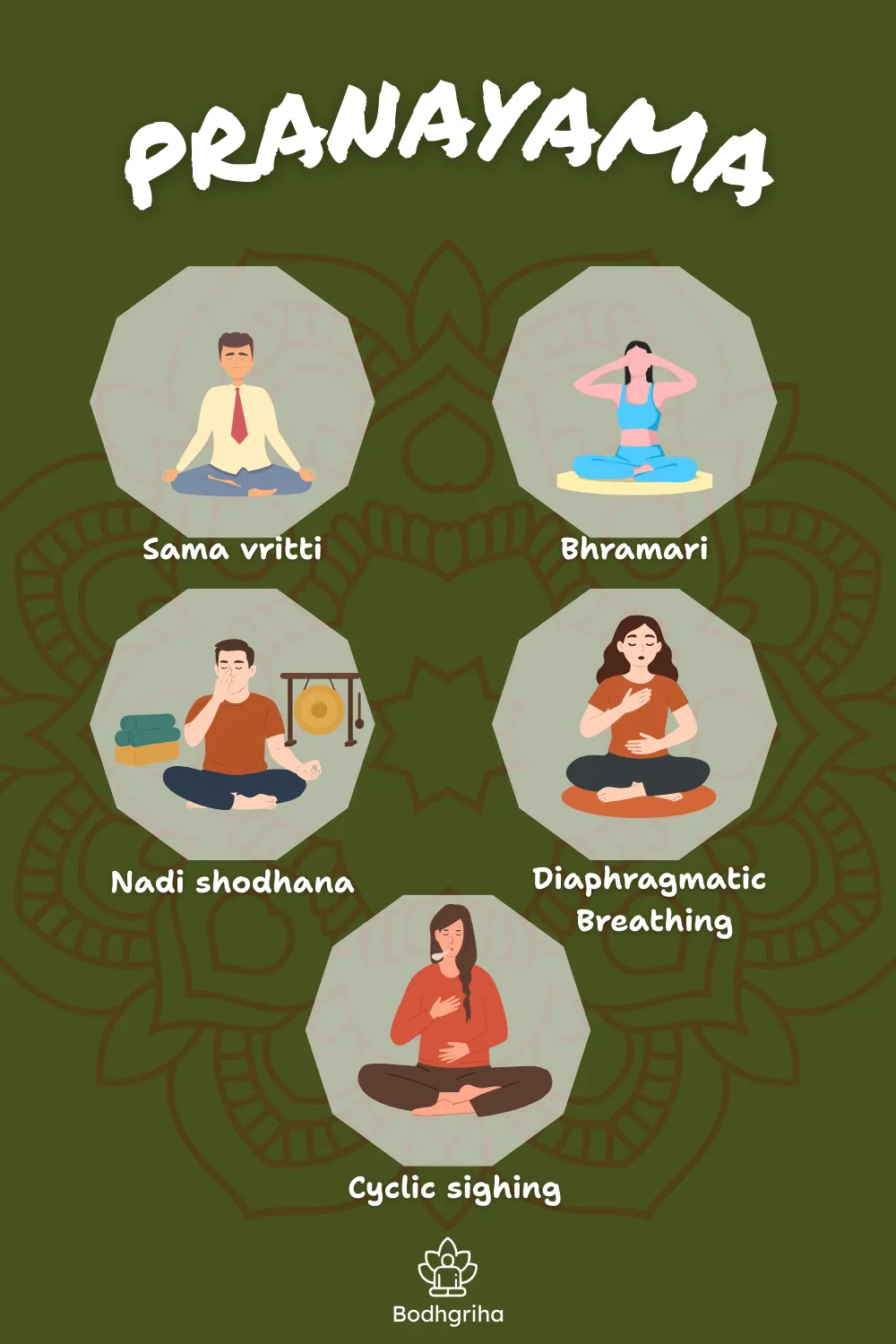
Here are five effective pranayama techniques suited for beginners. Each serves a slightly different purpose ... from calming anxiety to boosting energy and can be adapted based on how you feel.
1. Diaphragmatic (Abdominal) Breathing
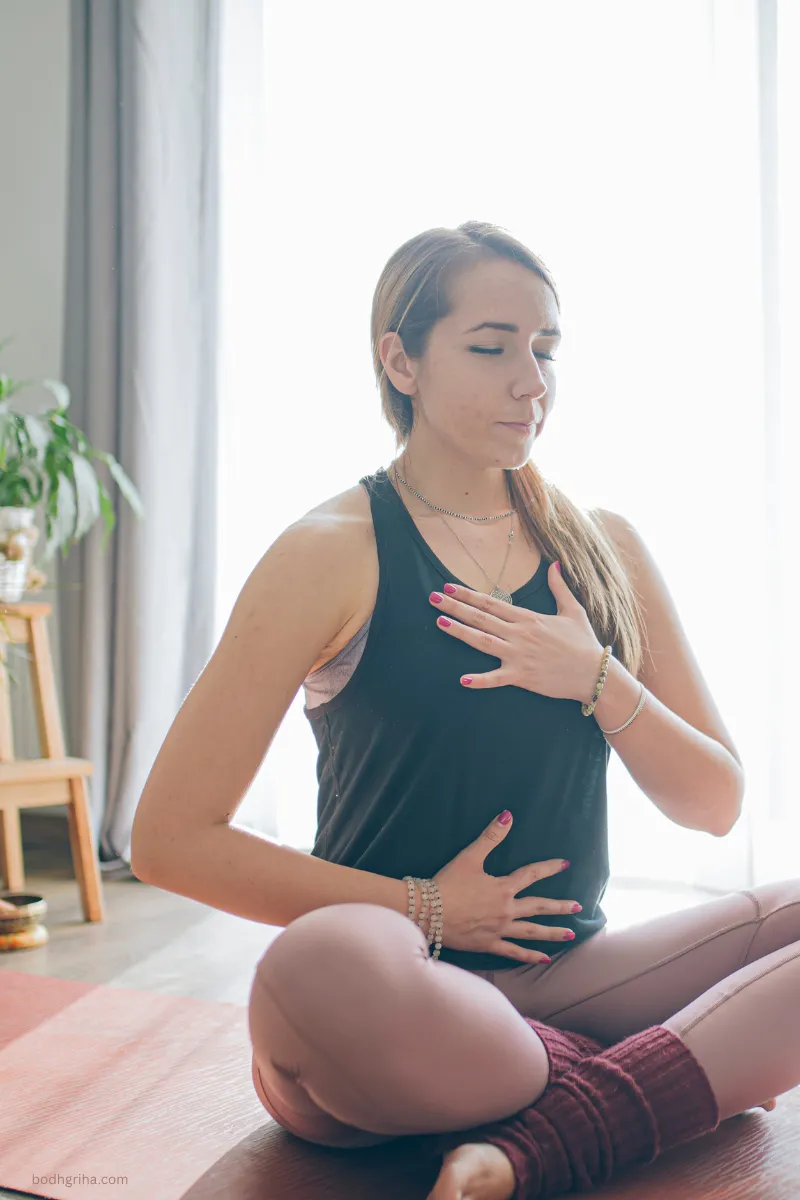
How to do it: Sit or lie comfortably. Place one hand on your belly and inhale gently through your nose; allow your belly to expand. Exhale softly and allow your belly to fall. Repeat for 5–10 breaths.
Benefits: Encourages deep oxygen exchange, stimulates the vagus nerve (which triggers relaxation), lowers heart rate and eases tension. Great for resetting nervous system and reducing stress. Ideal when you’re anxious, before bed or anytime you need calm.
2. Alternate-Nostril Breathing (Nadi Shodhana / Anuloma Viloma)
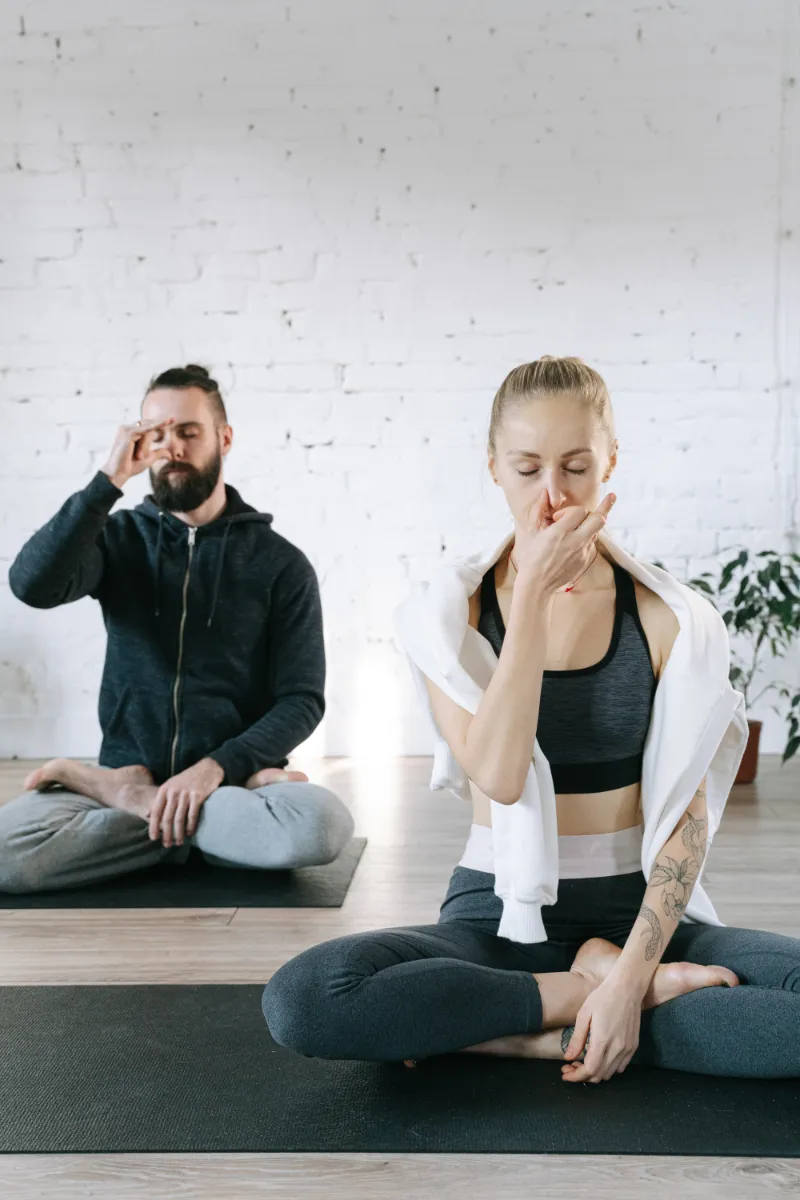
How to do it: Sit tall. Close your right nostril with your right thumb and inhale slowly through the left. Close left nostril with ring finger, hold or pause briefly, then exhale through the right. Inhale through the right, close it, then exhale through the left. That’s one cycle. Repeat 5–10 cycles.
Why it helps: This technique balances both hemispheres of the brain, soothes the nervous system and promotes calm, concentration and mental clarity. Many practitioners use it to relieve stress, anxiety or before meditation.
3. Sama Vritti (Box / Equal Breathing)
How to do it: Inhale for a count of 4, hold for 4 (optional), exhale for 4, hold for 4. Repeat 6–10 cycles.
Benefits: The equal rhythm helps regulate the breath, steady the mind and balance the autonomic nervous system. Especially useful when you feel overwhelmed or overstimulated ... gives a quick reset for focus and calm.
4. Bhramari
How to do it: Sit comfortably with a straight spine in cross-legged posture or a chair. Close your eyes and relax your shoulders. Use your thumbs to gently close your ears (or place hands lightly over them), and rest your index fingers on your forehead or third-eye area. Take a slow, deep inhale through your nose. Exhale slowly and steadily through the nose while producing a low, humming “mmm” (like the sound of a bee). Focus on the vibration in your head.
Repeat for 5 – 10 breaths (or more, up to comfort).
Benefits: Calms the nervous system, reduces stress and anxiety, lowers blood pressure and slows heart rate. Helps relieve headaches, sinus issues, nasal congestion; supports respiratory health. Supports better focus, memory, mental clarity and emotional balance ... useful before meditation or mentally demanding tasks. Improves sleep quality and helps soothe nervous tension or mental agitation.
5. Cyclic Sighing / Extended Exhalation Breathing
How to do it: Inhale slowly through the nose. Exhale gently through the mouth with a long, soft sigh or “haa” sound. Let the exhale be longer than the inhale. Repeat for 3–5 minutes or more as needed.
Why it helps: Extended exhalation activates the parasympathetic nervous system (rest-and-digest mode), helps release tension, reduces stress and calms anxiety fast. Useful in moments of overwhelm, before sleep, or during emotional distress.
When & How Often to Practice
| Time of Day / Situation | Why It Works |
|---|---|
| Morning (on waking, before breakfast) | Begins the day with calm energy, stabilises the nervous system, boosts focus. |
| Before or after yoga / movement practice | Pranayama enhances body-mind connection, warms up lungs, deepens breath awareness. |
| During stress or anxiety spikes | Quick techniques like cyclic sighing or alternate-nostril breathing calm the nervous system and reduce tension. |
| Evening / before bed | Calming breathwork helps slow the mind, relax the body and improve sleep quality. |
| Anytime you need a reset | Breathwork is portable and accessible - perfect for travel, commuting, or breaks. |
Recommended frequency for beginners: 5–10 minutes daily is a great start. Consistency matters more than duration. As you become comfortable, you can expand the time or add more advanced techniques.
How to Practice Safely & Mindfully
- Always sit upright with a straight spine; use a cushion or bolster if needed.
- Begin gently - don’t force breath, harshly hold or rush. If you feel light-headed or dizzy, stop and breathe normally until comfortable.
- Avoid very strenuous pranayama (like bellows-breath or long breath retention) if you have high blood pressure, heart issues, recent surgery or are pregnant.
- Practice in a well-ventilated, quiet space.
- Treat breathwork as a meditative practice: focus on breath sensation, allow thoughts to pass without engaging them.
Integrating Pranayama Into Daily Life
- Morning ritual: First thing after waking - 5 minutes of diaphragmatic or alternate-nostril breathing to set the tone.
- Work break: Take 3–5 deep, calm breaths between tasks to reset stress levels.
- Pre-sleep wind down: 5–7 minutes of extended exhalation breathing to quiet the mind.
- Yoga / stretching sessions: Add Ujjayi or Sama Vritti breathing to deepen movement awareness.
- Moment of overwhelm: Use cyclic sighing or a simple 3-cycle alternate-nostril breath to recalibrate.
Over time, you’ll build resilience against stress, cultivate clarity of mind, and deepen emotional balance ... all accessible, all within you.
Why Breathwork Is Worth Your Time
- Pranayama regulates the autonomic nervous system, shifting from “fight-or-flight” to “rest-and-digest” mode ... reducing stress hormones and calming the body.
- Regular practice supports respiratory health, increases lung capacity and improves oxygen delivery.
- Breathwork boosts mental clarity, emotional balance and focus ... it strengthens mind-body connection, supporting overall wellness beyond yoga mats.
Conclusion
Pranayama is accessible to just about anyone ... regardless of age, experience or fitness level. It doesn’t require props or a gym; all it requires is your breath, a few minutes and a willingness to slow down.
Start with simple, gentle practices like diaphragmatic breathing or alternate-nostril breaths. When you feel ready, explore other techniques. With time, you’ll discover breathwork is not just another wellness fad, but a lifelong tool for mental clarity, emotional balance and deeper presence.
Let your breath become your anchor and pranayama your daily reset.
Share this article