Discover the Top Islands of Indonesia: Your Complete Island-Hopping Guide
Explore Indonesia's 5 best islands: Bali (temples, yoga), Lombok (Mount Rinjani), Java (Borobudur), Komodo (dragons, diving), Sulawesi (marine biodiversity). 25 essential experiences guide.
Indonesia is an archipelago of 17,000+ islands stretching across three time zones and while you won't visit all of them in one lifetime, the top islands each offer something utterly transformative. From ancient temples carved into mountainsides to underwater gardens where rainbow fish dance, from volcanic peaks that pierce clouds to beaches where time moves slower than your heartbeat, Indonesia's islands are less like destinations and more like chapters in an unfolding spiritual narrative.
This guide covers the five islands that have captured hearts (and yoga mats, diving certifications, and camera lenses) for years and for good reason. Each island feels like entering a different world, despite being separated by only hours of boat travel.
Bali: The Spiritual Gateway
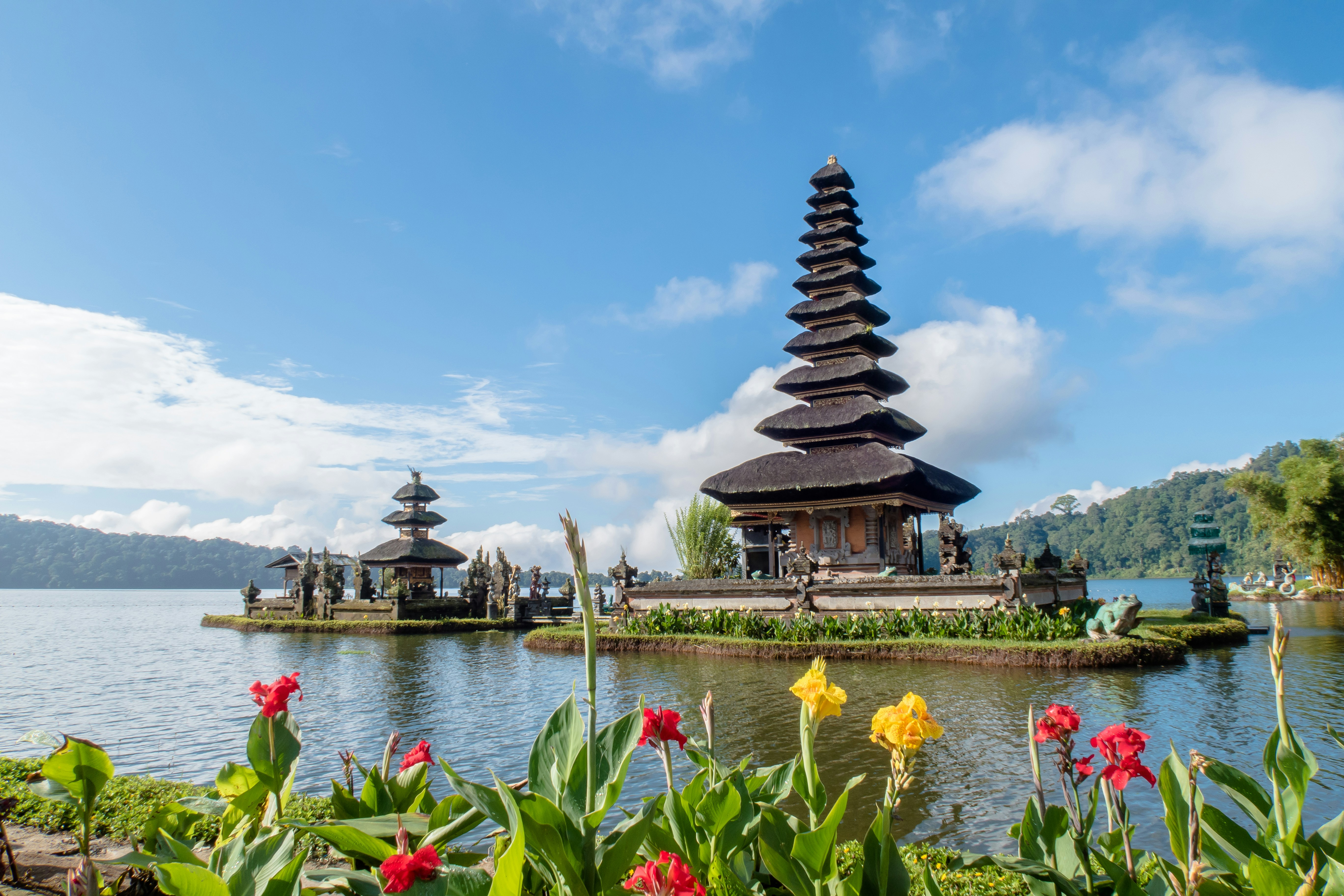
5 Things to Do & See in Bali:
1. Ubud's Rice Terraces & Temple Walks Swing through the emerald-green rice paddies on the iconic swing (yes, it's touristy; yes, go anyway). The real magic happens when you walk the terraces at dawn, when mist clings to the rice stalks and you're alone with the sounds of water and birds. The nearby Tegallalang Rice Terraces are spectacular, come early, before crowds arrive. For deeper experience, stay in a rice terrace village and help with morning harvest rituals. The way rice is grown here is unchanged from centuries past.
2. Tirta Empul Temple & Sacred Water Ceremonies This isn't just a temple; it's a water sanctuary where pilgrims and seekers have bathed for over 1000 years. Thirteen pools of crystalline spring water flow from the mountain, each believed to have specific healing properties. Immerse yourself in the cool water, experience the ritual alongside locals, and feel the spiritual charge that this place carries. Arrive early, dress respectfully, and move slowly. This is sacred space.
3. Mount Batur Sunrise Trek Wake at 2 AM to climb this active volcano in darkness, reaching the summit just as the sun paints the sky. You're standing on volcanic soil, watching daylight break over neighboring mountains and the island below. It's physically challenging but spiritually profound. The trek takes 2-3 hours, and yes, every step is worth it. Hot tea and hard-boiled eggs taste like heaven when you reach the top.
4. Ubud's Art & Craft Workshops Take a Balinese cooking class and learn to make sambal, satay, and temple offering baskets. Join a batik painting workshop and create designs using ancient wax-resist technique. Learn woodcarving from artisans who've been carving for 40 years. These aren't tourist performances, they're actual skill transfer with people who've dedicated lifetimes to their craft. You'll leave with both skills and respect for Balinese artistry.
5. Tanah Lot Temple at Sunset This ocean-cliff temple is Bali's most photographed site and it deserves the hype. Watch from the beach as the sun melts into the ocean, illuminating the temple silhouette. Come late afternoon when light is magical. If you're spiritual, you'll feel the energy. If you're not, you'll become it. This is one of Indonesia's most sacred temples, and the setting is unforgettable.
Lombok: The Untouristy Alternative

5 Things to Do & See in Lombok:
1. Mount Rinjani Trek & Crater Lake This is Indonesia's second-highest volcano, and the three-day trek to the crater lake is spiritual boot camp. You climb through cloud forest, emerge above the clouds, and reach a crater lake so blue and still it doesn't look real. Bathe in the hot springs. Sleep on the crater rim. Watch sunrise from 3,726 meters above sea level. The trek is challenging, but the transformation is guaranteed. Hire local guides, they know secret routes and the spiritual significance of the mountain.
2. Gili Islands (Gili Air, Gili Meno, Gili Trawangan) No cars. No motorcycles. Only bicycles, carts, and walking. This is what island life feels like when tourism hasn't industrialized it. Gili Air has the sweetest vibe, close enough to Lombok for easy access but quiet enough for real rest. Gili Trawangan has the nightlife scene if you want it. Gili Meno is pure silence. Dive, snorkel, watch sea turtles, sleep in beachfront bungalows, eat fresh seafood for $3. This is island perfection.
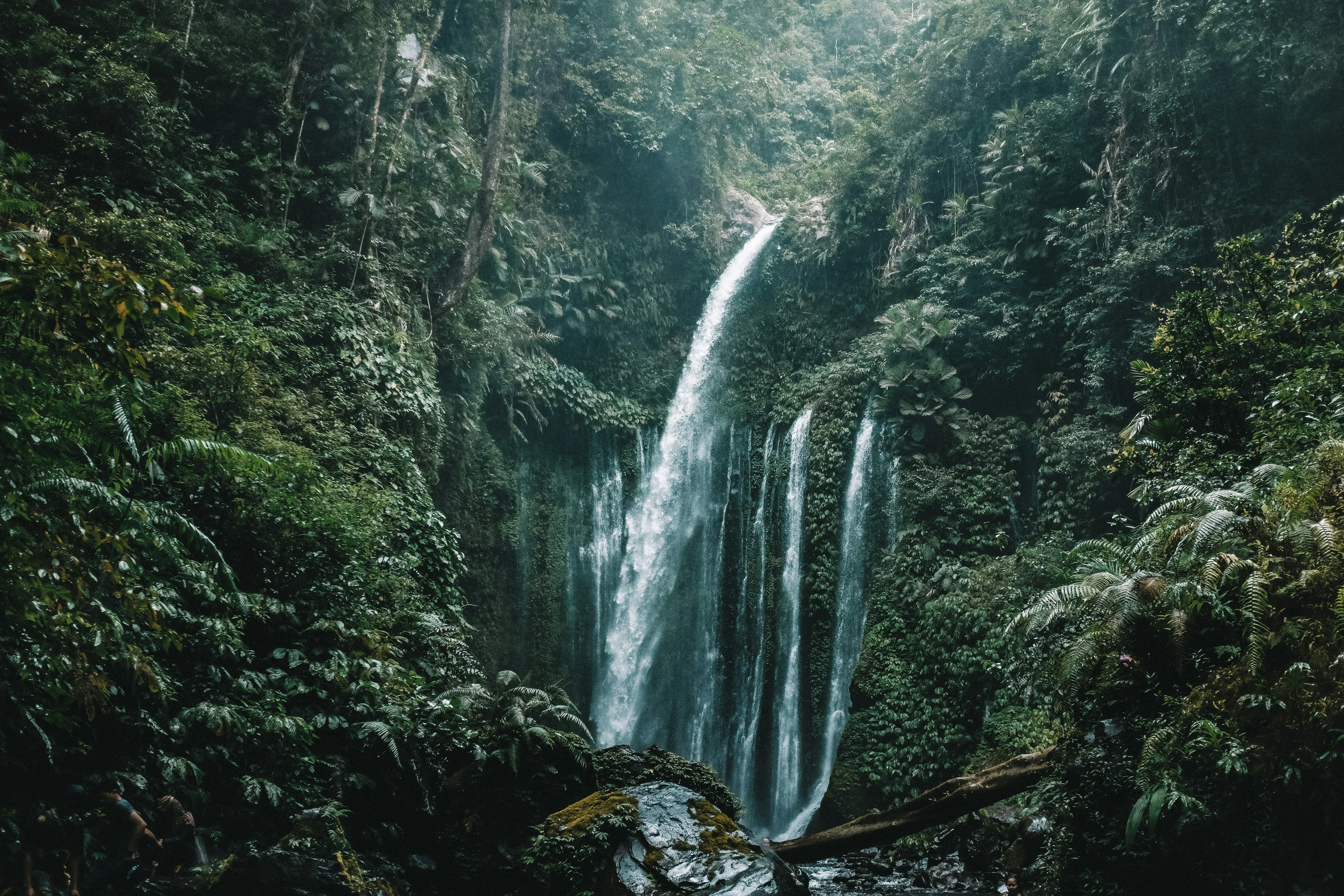
3. Sendang Gile & Tiu Kelep Waterfalls Hidden in northern Lombok, two waterfalls cascade dramatically into emerald pools. The hike is muddy, slippery, gorgeous. Swim in the cold fresh water. The upper waterfall (Tiu Kelep) is less crowded and more powerful. Most travelers skip this spot, which means you'll have it relatively alone. These waterfalls feel like secret sacred spaces.
4. Sengiggi Beach & Local Village Life Sengiggi is Lombok's main beach town and while it has tourist infrastructure, it's nothing like Bali. Walk past the main beach into fishing villages where locals are actually fishing, kids are playing in sand, and nobody's trying to sell you anything. This is working Lombok. The fishing boats at dawn are beautiful. The street food at night is incredible.
5. Sembalun Valley & Traditional Weaving Drive to the highland plateau where the Sasak people still practice traditional weaving on handlooms. Watch weavers create patterns unchanged for centuries. Buy directly from makers instead of tourist shops. Stay overnight if you can. The valleys are lush, the communities are warm, and you're supporting actual artisans. This feels like stepping into Lombok's real culture, not the tourist version.
Java: History & Spiritual Power

5 Things to Do & See in Java:
1. Borobudur Temple at Sunrise This 8th-century Buddhist temple is the world's largest Buddhist monument and experiencing it at dawn is like entering a meditation hall built for millions. The temple has 504 Buddha statues, 2,672 relief panels, and an energy so concentrated it's almost visible. Arrive at 4:30 AM to climb the levels as sunrise breaks. Touch the Buddha statues. See the layers of spiritual teaching encoded in stone. Many people cry here. It's that powerful.
2. Mount Merapi Trekking & Crater Views Merapi is an active volcano that erupted as recently as 2010. Climbing it is ascending into raw geological power. You trek through ash fields, past warning signs, to a crater that's smoking. The vibe is simultaneously beautiful and dangerous. Experienced guides navigate the route, and the views are absolutely otherworldly. For less intense experience, hike Mount Merbabu instead (still high, less volatile). Either way, you're climbing active Javanese geology.
3. Prambanan Temple Complex If Borobudur is introspective, Prambanan is celebratory, a Hindu temple complex with soaring spires and intricate stonework that rivals Borobudur in grandeur. The main temple dedicated to Shiva is magnificent. Come at sunset when the light is golden and the temples seem to float. The craftsmanship is extraordinary. The spiritual energy is undeniable.
4. Yogyakarta's Local Markets, Street Food & Night Bazaars Skip the tourist restaurants. Instead, eat where locals eat: at night markets where vendors grill satay, fry spring rolls, sell fresh-squeezed juice. Take a food tour with a local guide who knows the hidden warungs (small eateries). Visit Malioboro Street during the day for people-watching, then return at night when it transforms into a pedestrian market. The energy is pure, unfiltered Java...crowded, loud, authentic, cheap, and absolutely delicious.
5. Ramayana Ballet at Prambanan During full moon season, shadow puppets perform the Ramayana story against the illuminated Prambanan temple as backdrop. It's part theater, part spiritual ritual. Watch the intricate puppetry, hear the gamelan orchestra, and feel the story of good versus evil unfold against the ancient stones. This is Java's culture at its most refined.
Komodo: Dragons, Diving & Desolation
5 Things to Do & See in Komodo:
1. Komodo Dragon Trekking You'll walk through dry scrubland with an armed guide (dragons are real and dangerous) in search of these 3-meter prehistoric creatures. You might see dragons, or you might see tracks and droppings, either way, you're on an island where dinosaur-like creatures roam free. The guides are experienced and the hikes are well-managed, but this doesn't feel like a zoo tour. It feels like witnessing something that should've gone extinct millions of years ago. Absolutely surreal.
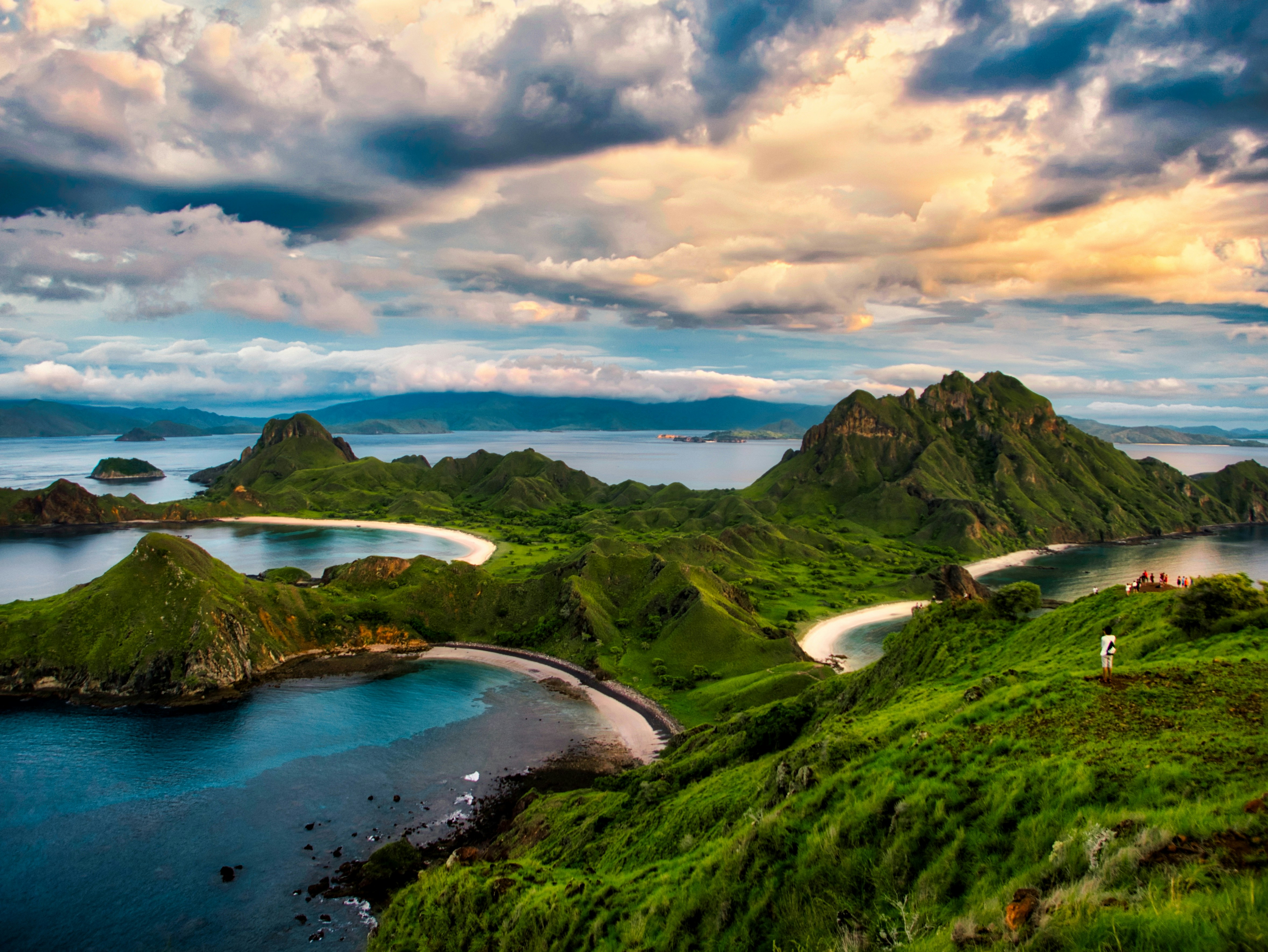
2. Pink Sand Beach at Komodo & Padar Island Viewpoint Komodo's Pink Beach gets its color from red coral fragments. The sand literally looks pink. Swim in the turquoise water, walk the pristine beach, feel transported to a fantasy world. Pair this with a hike up Padar Island's viewpoint, where you overlook turquoise bays, pink beach, and white sand beaches all in one view. Both are best visited by boat from Komodo National Park.
3. World-Class Diving & Manta Ray Encounters Komodo is a diving destination rivaling the Great Barrier Reef. The waters are rich with life: tropical fish, sharks, sea turtles, and if you're lucky, manta rays that glide past like underwater carpets. Manta Point is famous for encounters with these gentle giants. The visibility is best April-December. If you're a certified diver, this is non-negotiable. If you're not, get certified here.
4. Snorkeling at Kelor Island & Batu Bolong Even non-divers will be amazed at the coral gardens and fish life visible from the surface. Kelor Island has outstanding coral and colorful reef fish. Batu Bolong (meaning "hole in the rock") has a natural archway and vibrant underwater scenery. These snorkel spots are accessible, magical, and less intensive than diving but equally impressive.
5. Rinca Island & Scenic Saddle Trek If Komodo's dragons weren't active on your visit, Rinca Island usually has them. The landscape is drier, hotter, more desolate and oddly beautiful. The Saddle Trek offers sweeping views of multiple islands. You're walking through real wilderness where dragons hunt, boar run, and the ecosystem operates independently from human tourism. It's humbling.
Sulawesi: Diving, Diving, Diving (& Culture)

5 Things to Do & See in Sulawesi:
1. Bunaken Marine Park Diving Bunaken is one of the world's most biodiverse marine ecosystems. The coral walls drop dramatically into blue water. Visibility is exceptional. The fish life is absurd: everything from tiny nudibranchs to large barracuda and reef sharks. Manado Bay around Bunaken has multiple dive sites for all levels. Stay in Manado, dive multiple days, and let yourself fall in love with underwater Sulawesi. This is what diving was invented for.
2. Tompaso Diving & Coral Restoration Tompaso is less crowded than Bunaken but equally spectacular. You can volunteer with coral restoration projects, planting new corals, helping regrow damaged reefs. Diving becomes activism. The marine life is thriving, the communities are welcoming, and you leave having contributed something real to conservation. This is where conscious travel meets spectacular scenery.
3. Toraja Highland Culture & Traditional Villages The Toraja people have one of Indonesia's richest cultures. Their villages feature distinctive boat-shaped houses, elaborate funeral ceremonies (some lasting weeks), and traditions unchanged for centuries. Visit traditional villages, watch traditional weaving, attend a funeral feast (funeral tourism is actually part of local economy). The highlands are lush and green. The culture is profound and complex. This is ethnic Indonesia at its most distinctive.
4. Rantepao Market & Local Cuisine The market is chaos, in the best way. Water buffalo, pigs, vegetables, spices, textiles all trading at once. The energy is raw. Buy ingredients and cook with a local family, or eat at the market stalls where locals eat. Torajan cuisine features coffee (some of world's best), rice, and traditional dishes. The market is early morning...worth waking up for.
5. Tana Toraja Funeral Ceremonies & Megaliths If your timing is right, you might witness Torajan funeral ceremonies, elaborate rituals that can last weeks and involve hundreds of water buffalo. Even when not actively mourning, visit ceremonial grounds and ancient megaliths that mark burial sites. The Toraja relationship with death is complex and spiritual...visiting sacred grounds requires respect but offers insight into worldviews fundamentally different from Western thought.
Choosing Your Islands: A Framework
If you want: Yoga, temples, rice terraces, and established wellness infrastructure - Bali
If you want: Nature, authenticity, fewer tourists, but still good infrastructure - Lombok
If you want: History, archaeology, challenging treks, and spiritual depth - Java
If you want: Adventure, diving, wildlife, and dramatic landscapes - Komodo
If you want: World-class diving, unique culture, and off-the-beaten-path vibes - Sulawesi
The truth? Each island is different enough that you could visit all five and experience five completely different Indonesias. Two weeks hits 2-3 islands comfortably. Three weeks hits 3-4 islands without rushing. A month allows for real depth in 4-5 islands.
Practical Tips
Getting Between Islands: Domestic flights are cheap and frequent, usually $20-50 between major islands. Ferries exist but are slower. Flying gives you more time to actually experience each island rather than commuting.
Best Time to Visit: May-September is dry season, best for diving, trekking, and reliable weather. December-February is rainy season, fewer tourists, lower prices, occasional heavy rain, but still visitable.
What to Pack: Lightweight, breathable clothing. Reef-safe sunscreen (crucial). Underwater camera if you dive. Respectful clothing for temples. Quick-dry clothes because you'll be swimming.
Cultural Respect: Temples and sacred sites require covered shoulders and knees. Balinese people make daily offerings, don't step on them. In Toraja, funerals are sacred, approach respectfully. Learn basic Indonesian greetings. Remove shoes when entering homes or temples.
The Deeper Truth About Indonesian Islands
What makes these five islands unforgettable isn't just the stunning landscapes (though they're stunning). It's that each island carries genuine spiritual energy, not manufactured for tourism but rooted in centuries of practice, ritual, and connection to place.
Bali's temples aren't beautiful because they're designed for visitors; they're beautiful because they've been loved, maintained, and spiritually charged for over a thousand years. Mount Batur's sunrise isn't magical because the tourism industry made it so; it's magical because you're standing on volcanic earth watching day break. The Komodo dragons aren't impressive because they've been promoted; they're impressive because they're actual prehistoric creatures you're experiencing in their natural habitat.
Indonesia invites you to slow down, look deeper, and remember why you came to travel: to be changed, to understand differently, to connect with places and people in ways that feel real.
Each island is a chapter. Together, they're a transformative book.