Bali Yoga Retreat Guide: Where to Go & What to Expect
A complete, honest guide to yoga retreats in Bali ... covering Ubud, Canggu, Uluwatu, Seminyak, and East Bali, with regional breakdowns, cost tiers, what to look for when choosing a retreat, and what makes Bali's spiritual culture unlike anywhere else.
Bali arrives before you land.
Somewhere over the Java Sea, on the final approach into Ngurah Rai, something begins to shift ... a loosening, almost imperceptible, of whatever you had been holding since you left. By the time the warm air meets you at the exit doors and the smell of frangipani and clove cigarettes finds its way in, the process is already underway. Bali has been receiving seekers for a long time. It knows what to do with them.
The island has been a serious yoga destination since the 1990s, when the first wave of Western practitioners arrived in Ubud and found something they had not been expecting: not just a beautiful place to practice, but a living culture in which the sacred was not separate from daily life. Where offerings were placed at doorsteps every morning before the world was fully awake. Where ceremony was not an event but a rhythm, woven into the calendar, the architecture, the food, the way a day was organized. Where the philosophy that yoga points toward was not imported or aspirational but simply how things were.
That encounter changed something in a generation of practitioners. It also changed Bali — the island's yoga scene has grown enormously, and with that growth has come a complexity that first-time visitors do not always anticipate. Not every retreat that calls itself authentic is. Not every region of Bali offers the same quality of experience. Not every price point delivers what it promises.
This guide is a practical and honest companion for anyone planning a yoga retreat in Bali ... whether for the first time or the fifth. We cover where to go, what each region actually delivers, what to spend, what to watch for, and how to arrive in a way that lets the island do what it does best.
Understanding Bali's Regions
This is the most important thing to understand before booking. Bali is a small island ... roughly the size of a large metropolitan area but its different regions carry completely different energies, demographics, price points, and retreat cultures. Choosing the right region matters as much as choosing the right program.
Ubud: The Heart of the Yoga World
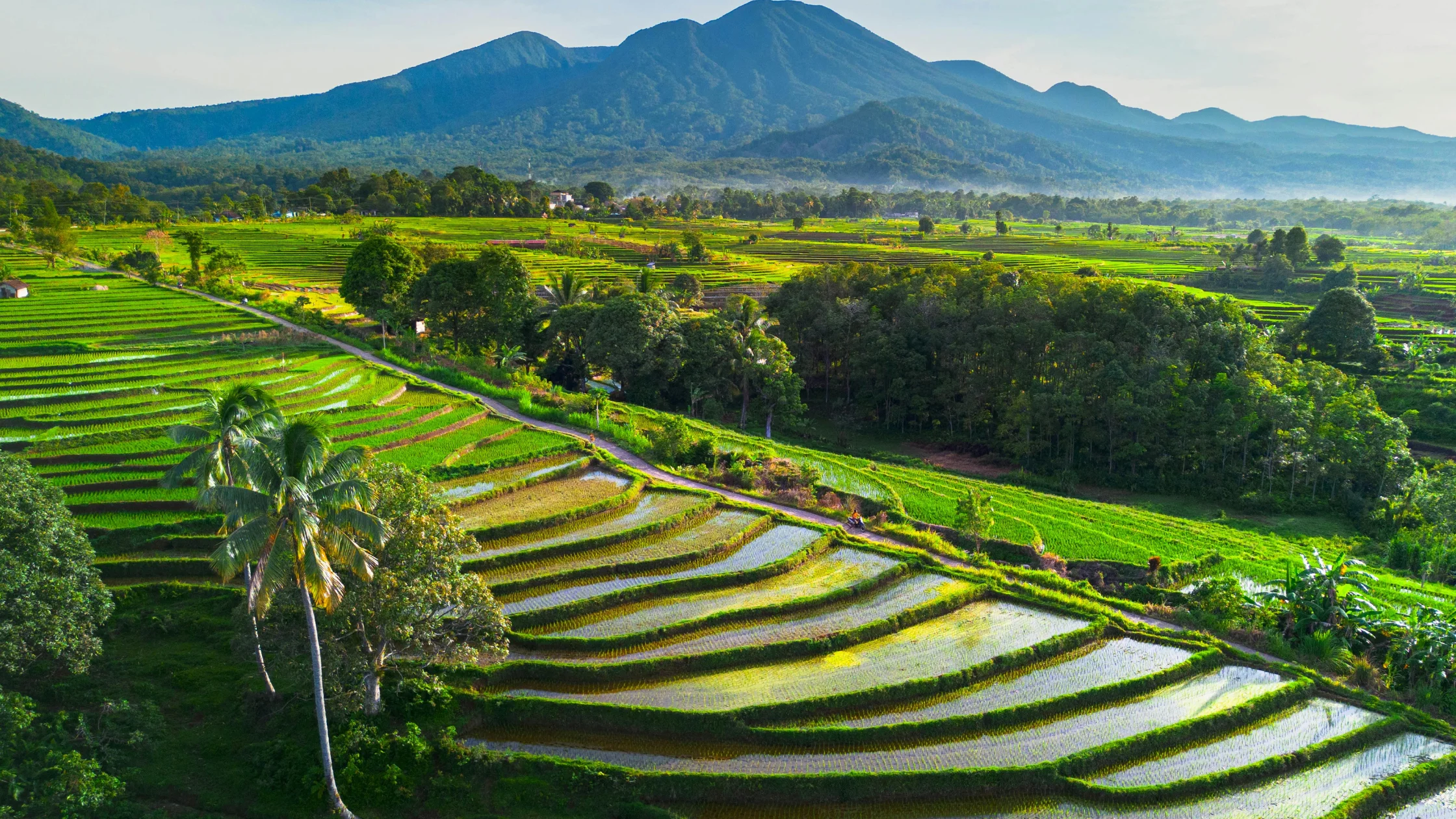
 Ubud is where Bali's yoga scene was born, and it remains its undisputed center. Set inland among rice terraces and river gorges, cooler and quieter than the coast, Ubud is home to more yoga studios, healing practitioners, retreat centers, and wellness offerings per square kilometer than almost anywhere on earth.
The town itself is busy ... more developed and more tourist-facing than many first-timers expect, especially along the main Monkey Forest Road. But step ten minutes in any direction and you are in rice fields, temple compounds, and a landscape of extraordinary beauty. The retreat centers that matter in Ubud are set back from the commercial center, in the paddy terraces of Penestanan, the river valley of Campuhan, or the quieter villages of Tegalalang and Payangan to the north.
What Ubud offers that nowhere else quite matches: the density and diversity of high-quality teaching. You can study Ashtanga with a direct student of Sharath Jois in the morning, attend an afternoon workshop on pranayama with a teacher trained in the Iyengar tradition, and sit an evening sound healing session with a practitioner whose family has been working with Balinese tonal medicine for generations, all within a radius of five kilometers. The concentration of serious instruction here is remarkable.
Canggu: The Creative-Wellness Intersection
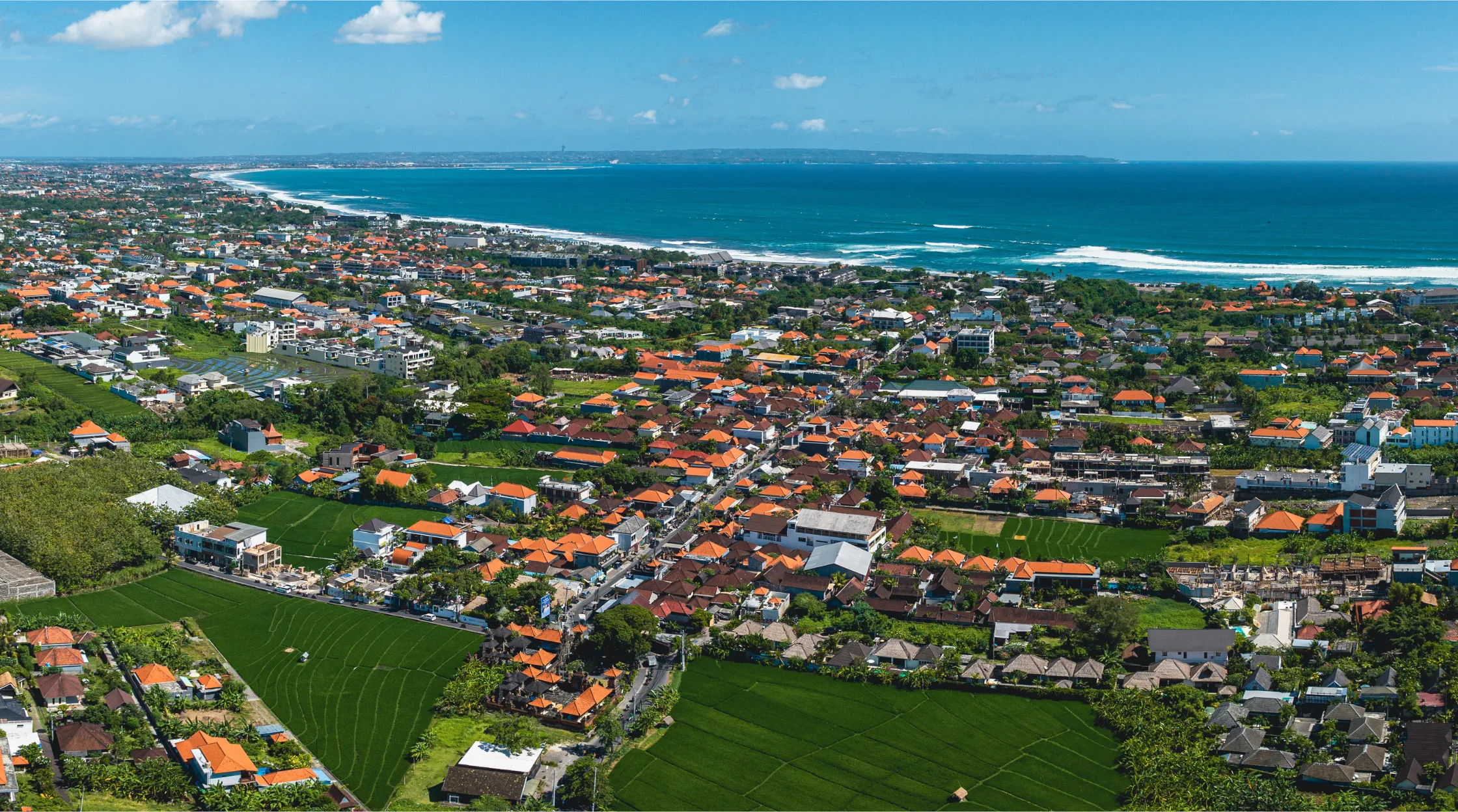 Canggu, on Bali's southwest coast, has undergone one of the most rapid transformations of any neighborhood in Southeast Asia over the past decade. What was a quiet fishing village is now a dense, energetic scene of surf breaks, co-working spaces, plant-based cafés, boutique studios, and a demographic that sits somewhere between digital nomad and committed wellness practitioner.
The yoga here is contemporary and physically vigorous... strong vinyasa, athletic Ashtanga, aerial yoga, acro yoga, handstand workshops. The teachers are often young, highly trained, and internationally connected. The studios are designed with the same visual intelligence as everything else in Canggu: exposed concrete, trailing plants, curated playlists, excellent coffee available before and after class.
What Canggu lacks, relative to Ubud, is depth of stillness. The place hums constantly ...with traffic, with social energy, with the particular restlessness of a scene that is always becoming something new. For practitioners seeking solitude and inwardness, this can be friction. For those who want excellent yoga alongside an active, socially engaging lifestyle, Canggu delivers it unusually well.
Seminyak & Kerobokan: Luxury with a Yoga Offering
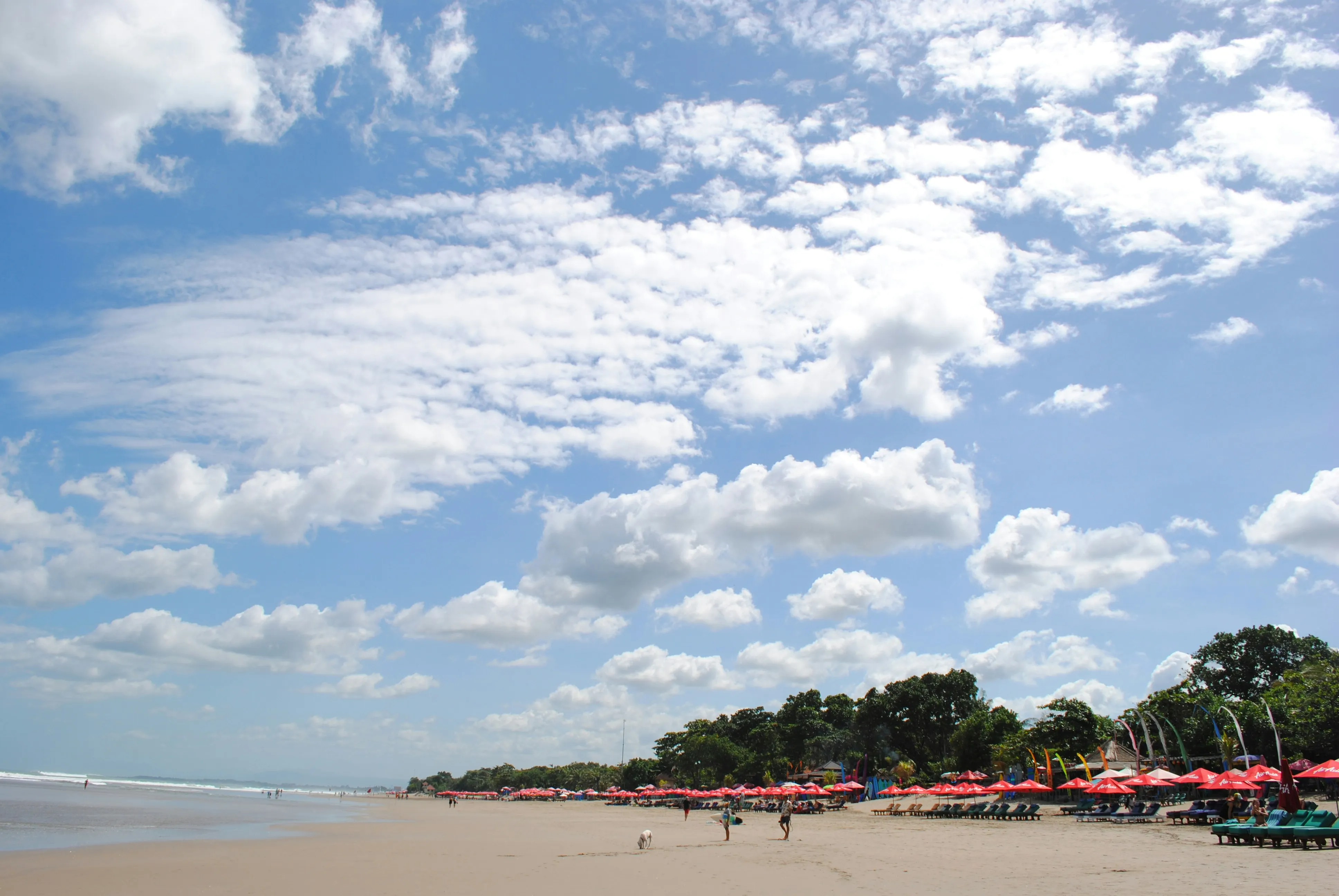 Seminyak is Bali's most polished address... high-end boutiques, destination restaurants, beach clubs, and a selection of luxury villas and hotels that match anything in Southeast Asia. Some exceptional retreat programming operates here, typically embedded in resort properties with full spa facilities, private pools, and the attentive service infrastructure of five-star hospitality.
This is not where you come for philosophical depth or community. It is where you come when yoga is one component of a broader luxury wellness experience ... alongside Ayurvedic treatments, bespoke cuisine, and the particular quality of rest that well-appointed surroundings produce. For a honeymoon wellness retreat, a high-spend reset, or a short trip where comfort is the priority, Seminyak works beautifully.
Uluwatu & the Bukit Peninsula: Clifftops, Surf, and Edge
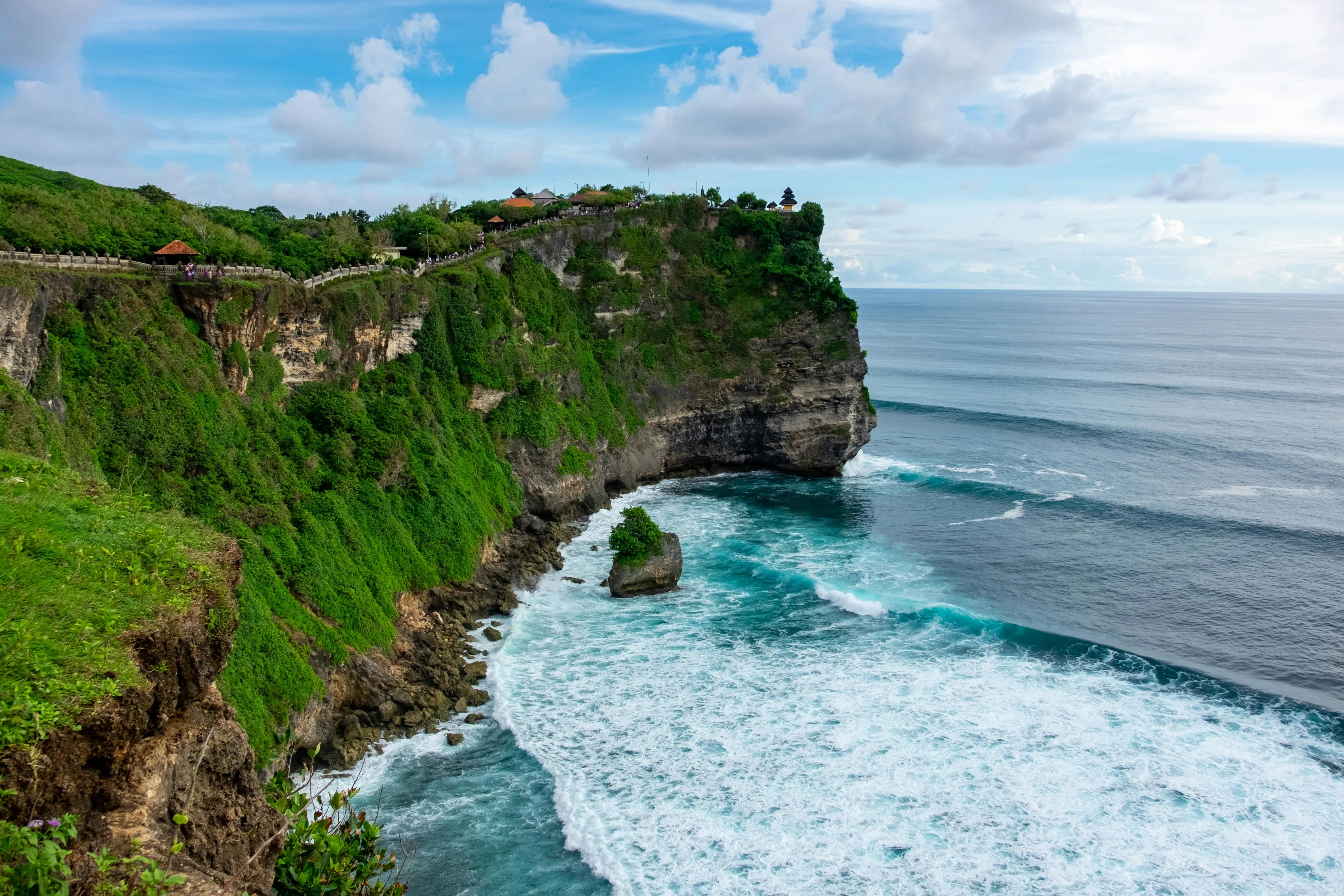 The Bukit Peninsula hangs off Bali's southern tip like a separate island... arid, dramatic, defined by limestone cliffs dropping into turquoise water and some of the most celebrated surf breaks in the world. Uluwatu's famous left-hander. Padang Padang's hollow reef break. Bingin's steep, technical wave.
Retreat centers on the Bukit, perched on cliff edges with views that stop thought entirely ... offer a version of yoga practice unlike anywhere else in Bali. The combination of cliff-edge shalas, world-class surf, and a landscape of almost cinematic intensity attracts practitioners who want physical challenge alongside their mat time.
Sidemen, Amed & East Bali: The Quiet That Remains
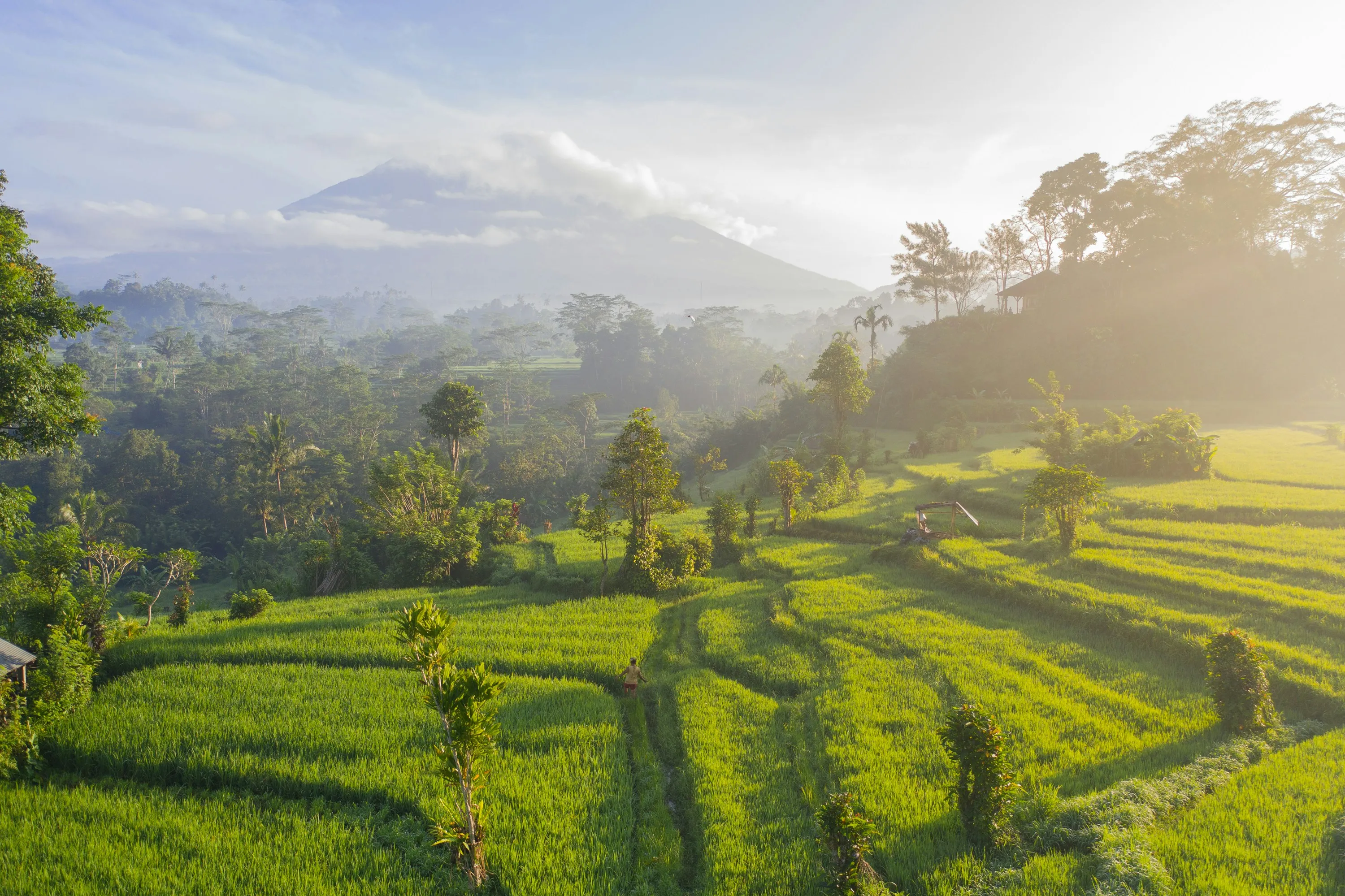 East Bali is where you go when you want to understand what Bali was before it became what it is. The Sidemen Valley, a sweep of terraced rice fields rising toward Gunung Agung, Bali's most sacred volcano ... is largely untouched by the development that has transformed the south and west. Villages here maintain traditional agricultural and ceremonial rhythms. The landscape is heartbreaking in its beauty.
Amed, on the northeast coast, is a string of fishing villages whose black-sand beaches and exceptional snorkeling and diving attract a quieter traveler demographic. Retreat programs here are small, intentional, and rare ... which is precisely their value.
For practitioners who have been to Ubud and Canggu and want to go deeper into the Bali that underpins all of it, east Bali offers an encounter that is genuinely difficult to replicate anywhere else.
The Spiritual Context: What Makes Bali Different
Every yoga destination has its atmosphere. What distinguishes Bali is that its spiritual culture is not atmosphere ... it is infrastructure.
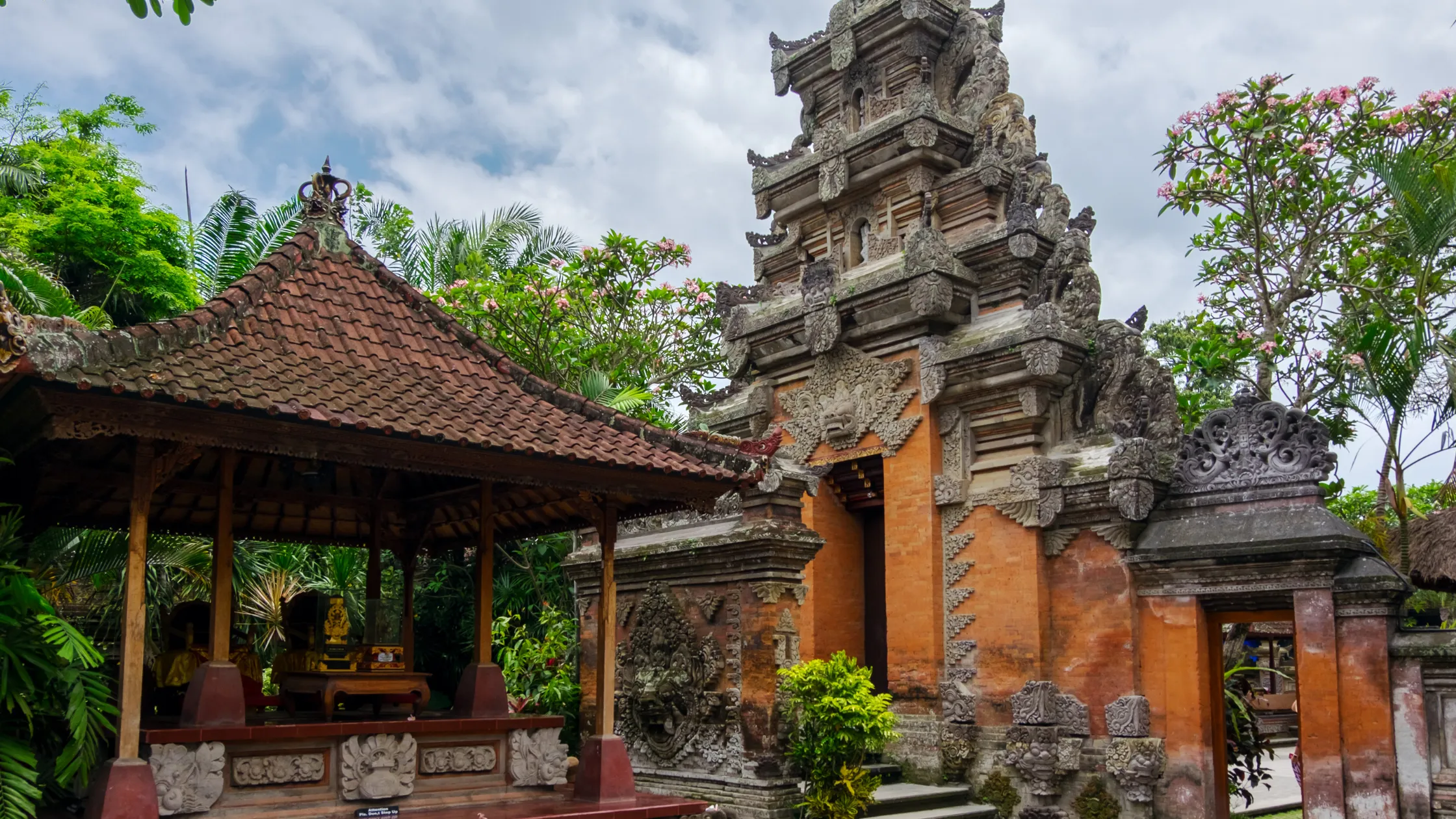
Balinese Hinduism, a distinct tradition that evolved in isolation from the mainland Indian forms, organizes daily life around an unbroken cycle of ceremony and offering. The canang sari , small woven palm-leaf offerings placed at doorways, on shrines, at the base of trees ... appear every morning without exception, prepared by Balinese women as a daily act of devotion. Temple festivals (odalan) occur constantly across the island's thousands of temples, filling the streets with processions, gamelan music, and offerings carried on heads with extraordinary grace.
This is not performance for tourists. It is a living cosmology...a way of understanding the relationship between the human, the natural, and the divine that has been practiced on this island for centuries.
"I had read about Balinese spirituality before arriving. Nothing prepared me for the lived reality of it ... the morning offerings, the family temple at the corner of every compound, the way a ceremony could simply appear in the street and absorb the entire neighborhood for an afternoon. I felt, for the first time, what it might mean to live inside a sacred worldview rather than visiting one." — A practitioner reflecting on three weeks in Ubud
For yoga practitioners, this context is not incidental. The yamas and niyamas ...the ethical foundations of yoga practice, read differently when the culture surrounding you is organized around their expression. Non-harming, gratitude, devotion, surrender to something larger than personal preference. Bali does not teach these things. It simply embodies them, daily, in ways that reach you before your intellect has a chance to categorize what is happening.
Cost Breakdown: What to Expect
Bali remains one of the world's most accessible wellness destinations, though prices have risen significantly in popular areas over the past five years.
| Tier | 7-Day All-In Cost | Best Regions | What You Get |
|---|---|---|---|
| Budget | $500 – $1,000 | Ubud outskirts, Amed | Simple private bungalow, 2 classes/day, plant-based meals |
| Mid-Range | $1,000 – $2,200 | Ubud, Canggu, Sidemen | Private AC room, curated menus, senior teachers, workshops |
| Premium | $2,200 – $4,000 | Ubud villas, Uluwatu cliff retreats | Boutique villa, small groups, bodywork, Ayurvedic treatments |
| Luxury | $4,000 – $8,000+ | Seminyak, private villas, bespoke programs | Private pool villa, personal instructor, fully tailored programming |
| 200-Hr YTT | $1,200 – $2,800 | Ubud, Canggu | Full certification, accommodation, meals included |
Daily expenses outside a retreat program are modest by any Western standard. A full meal at a warung (local eatery) costs $2–$5. A one-hour Balinese massage at a reputable spa runs $8–$20. Scooter rental is $5–$10 per day. Bali rewards staying longer ...the cost-per-day drops steadily, and the depth of experience increases.
What to Look For When Choosing a Retreat
Bali's retreat market is large enough that significant variation in quality exists at every price point. A few things to evaluate carefully before booking:
Teacher credentials and background. Look for verifiable training lineages, years of practice (not just years of teaching), and evidence of ongoing study. Bali attracts extraordinary teachers and it also attracts people with a six-week certification and good Instagram aesthetics. The difference matters.
Group size. Programs with more than twenty participants typically offer less individual attention and a more generic experience. Twelve or fewer is where meaningful personal adjustment and teaching depth become possible.
Program structure versus free time ratio. A retreat that offers one ninety-minute class per day and calls the rest "integration time" is not a retreat in any meaningful sense. Look for programs with at least two substantive sessions daily, plus structured complementary offerings ... meditation, philosophy, bodywork, or guided cultural experiences.
Cultural integration. The best Bali retreats do not exist in a bubble. They build in temple visits, ceremony attendance, cooking classes using local ingredients, or sessions with Balinese healers and practitioners. These are not tourist add-ons. They are the encounter that makes a Bali retreat something more than a yoga holiday in a beautiful place.
Practical Considerations
When to go: Bali's dry season runs from May through September, with July and August as peak. These months offer the most reliable sunshine and the best conditions for outdoor practice. The wet season (October–April) brings daily afternoon rains ... dramatic and often beautiful, but worth factoring into schedules. Shoulder months (May, June, September) offer excellent conditions with thinner crowds.
Visas: Most nationalities receive a 30-day visa on arrival, extendable once for an additional 30 days. For teacher trainings of four weeks or longer, a social-cultural visa arranged in advance allows 60 days and is available through Indonesian consulates.
Getting around: Within Ubud and most retreat areas, transport is arranged through ojek (motorbike taxi) apps or private drivers. Bali's roads are narrow, traffic in the south is heavy, and scooter riding while common among long-term visitors... carries real risk for those unaccustomed to left-hand traffic and unpaved roads. Many retreat centers arrange airport transfers; take them.
Food and health: Bali's plant-based food scene is exceptional ...arguably the finest in Southeast Asia. Standard precautions apply: drink bottled or filtered water, avoid ice of unknown origin in the first days, give your digestion a few days to adjust. Most retreat programs factor this in with gentle early menus.
There is a reason Bali has been drawing practitioners for thirty years, and it is not the Instagram content ... though that has never been difficult to produce here. It is something harder to explain and easier to feel: the sense that this island is holding a particular frequency, and that if you arrive slowly enough and stay long enough, that frequency begins to find its way into you.
The morning offerings. The sound of the gamelan drifting across the rice terraces at dusk. The particular quality of light in the Ubud valley at six in the morning, when the mist is still in the gorge and your practice has just ended and the day has not yet filled itself with anything. These are not amenities. They are the practice ... the continuous invitation to be present, to be grateful, to recognize the sacred not as something you travel toward but as something you inhabit, however briefly, wherever you are.
Bali will meet you where you are. It has been doing this for a very long time.
The mat is waiting. So are the offerings. So is the particular silence of a rice terrace at first light, which is, if you let it be, more than enough.