
What You Actually Learn in Yoga Teacher Training (Beyond Asanas)
Explore the deeper dimensions of yoga teacher training - from philosophy, breathing, anatomy and teaching methodology to personal growth and community and discover what you really learn beyond the poses.
Most people imagine Yoga Teacher Training (YTT) as a bootcamp of Sun Salutations, challenging poses and endless sequencing drills. While you will certainly spend time polishing your asanas, a good YTT is designed to be much more than a posture clinic. Even the most foundational programs are holistic journeys that unite the body, mind and spirit. Trainees explore the deeper dimensions of yoga that can’t be seen on Instagram- the ethics and philosophy behind the practice, breathwork, meditation, anatomy, teaching skills and the inner work that turns yogis into wise guides. This guide breaks down what you really learn in YTT and why those lessons matter long after graduation.
Beyond the Poses: A Holistic Education
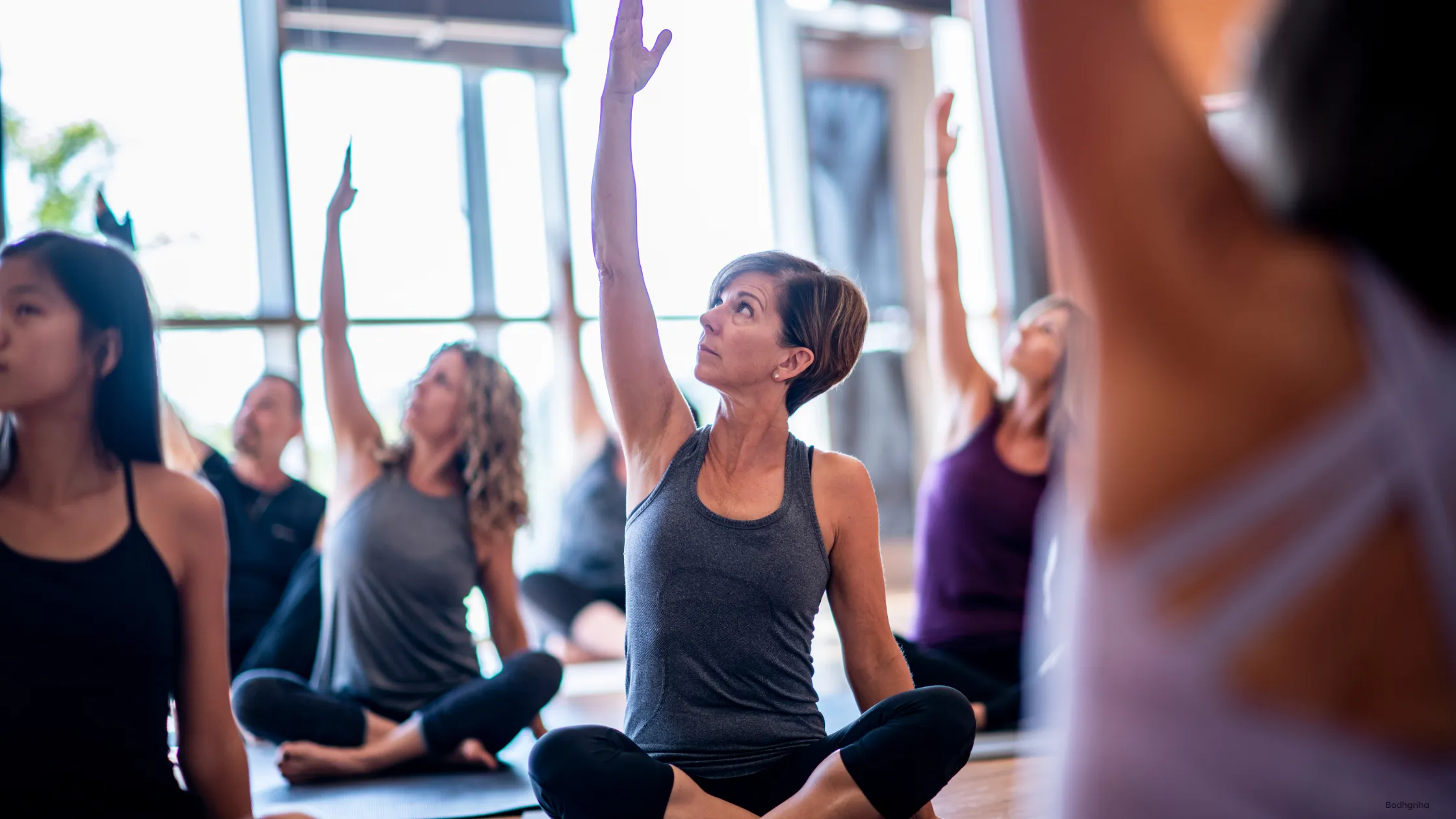
The pose is just one limb of yoga. Ancient texts such as the Yoga Sutras describe eight interconnected limbs, only one of which is asana. The rest include ethical guidelines (Yama and Niyama), breath control (Pranayama), sensory withdrawal (Pratyahara), concentration (Dharana), meditation (Dhyana) and ultimately unity (Samadhi). A thorough training explores these limbs, framing yoga as a way of living rather than a workout. This context expands your understanding of what it means to practice and teach yoga.
Yoga teacher training is intentionally holistic. Courses cover asanas, pranayama, meditation, anatomy and philosophy to give trainees a well‑rounded education. The goal isn’t just to perfect your downward dog; it’s to deepen your understanding of yoga on personal and professional levels and to gain the confidence to share it with others. Think of YTT as an immersion into yoga’s roots and purpose, not just a physical training camp.
Yogic Philosophy and Ethics
One of the most transformative parts of YTT is the study of yogic philosophy and ethics. Trainees read and discuss texts like the Yoga Sutras, the Bhagavad Gita and the Hatha Yoga Pradipika. These works introduce concepts such as Yama (ethical disciplines like non‑violence and truthfulness) and Niyama (personal practices like contentment and cleanliness). You explore ideas of pratyahara (turning the senses inward), dharana (concentration) and dhyana (meditation). Discussing these principles not only broadens your intellectual understanding of yoga but also challenges you to examine your own habits and ethics.
YTT often includes workshops on the history of yoga, tracing its evolution from ancient roots in India to modern global practice. Understanding the historical and cultural context of yoga helps teachers respect its lineage and communicate authentically. The study of philosophy gives you language to articulate the deeper purpose of yoga, allowing you to answer students’ questions and weave meaningful themes into your classes.
Pranayama: The Power of Breath
Yoga emphasizes the breath as a bridge between body and mind. During training you learn pranayama techniques such as diaphragmatic breathing, alternate nostril breathing (Nadi Shodhana) and Ujjayi breath. These practices cultivate balance, vitality and mental clarity. Instructors explain how different breathing techniques stimulate or soothe the nervous system and how to introduce them safely in class. You’ll likely practice classical techniques like Nadi Shodhana for balance, Kapalabhati for energizing and Brahmari for calming. Learning to harness the breath transforms both your personal practice and your ability to guide others.
Meditation and Mindfulness
Meditation is one of yoga’s most profound practices, yet many students only experience a brief savasana at the end of class. In YTT you explore different forms of meditation, from mindfulness and focused meditation to mantra‑based practices. Regular practice teaches you to be present, cultivate inner peace and guide your students toward mental and emotional well‑being.
Meditation training also includes mindfulness techniques you can integrate into asana classes. By learning to anchor attention on sensations, breath or a mantra, you develop the tools to help students manage stress and cultivate concentration. This emphasis on the inner experience reminds teachers that yoga is not solely physical; it’s a practice for body and mind.

Anatomy and Physiology
Teaching yoga responsibly requires a solid understanding of anatomy and physiology. YTT programs dive into the skeletal, muscular, nervous and physiological systems, explaining how poses affect them and how to prevent injuries. You learn about bones, muscles and movement so you can explain poses better and keep students safe. Courses cover common injury risks, contraindications and modifications for different body types. This knowledge helps you tailor classes to individual needs and fosters inclusive, safe teaching.
Anatomy modules often include hands‑on adjustments and alignment workshops. Understanding biomechanics empowers you to offer modifications and props that make yoga accessible. It also deepens your respect for the incredible complexity of the human body and the therapeutic possibilities of yoga.

Teaching Methodology and Communication
Learning how to teach is just as important as knowing what to teach. YTT includes teaching methodology sessions covering class sequencing, use of props, verbal and physical adjustments, cueing and how to cultivate confidence and compassion as a teacher. You’ll practise structuring balanced classes- warming up the body, building intensity, and cooling down- to support different levels and intentions. Trainees also receive personalised feedback on alignment and teaching style to ensure clear, safe instruction.
Many programs require students to practice teaching. You might lead mock classes, volunteer for community sessions or co‑teach with peers. These experiences build confidence and help you find your authentic voice. They also teach you to listen, adapt and use language that invites rather than commands. Good training emphasises inclusive language, offering modifications and respecting varied abilities.
Personal Practice, Self‑Study and Growth
A cornerstone of YTT is the recognition that you cannot guide others without cultivating your own practice. Teachers encourage daily self‑practice combining asana, pranayama and meditation to embody what you teach. Beyond structured classes, trainees engage in self‑study, guided learning and hands‑on practice to deepen understanding. Reading texts, listening to podcasts, and reflecting on your experiences enriches your learning.
Teacher training is also a catalyst for personal growth. It invites introspection, discipline and self‑inquiry. Students often report enhanced mindfulness, self‑confidence and clarity about life purpose after training. The journey encourages you to examine habits and attitudes off the mat, integrating yoga’s ethical principles into daily life. In this sense, YTT becomes a transformative life experience, not just a professional credential.
Community and Connection
A perhaps unexpected benefit of YTT is the sense of community. You spend weeks or months practicing alongside like‑minded individuals, sharing struggles and insights. Friendships formed during training often last a lifetime, providing a network of support and inspiration. This tribe becomes a source of encouragement as you grow into a teacher and continue your yoga journey.
Professional Development and Business Skills
While physical and philosophical studies dominate YTT, many programs also include practical skills such as class sequencing, critical thinking and the business of yoga. You might learn how to structure workshops, manage time, market yourself ethically and navigate the logistics of teaching. Some trainings discuss professional ethics, liability, and how to create inclusive spaces. Understanding these aspects helps new teachers transition from student to professional with confidence.
Continuing Education and Specialisations
Graduating from a 200‑hour YTT is just the beginning. The baseline curriculum covers basics like anatomy, class structure, adjustments, philosophy, meditation and pranayama, but there is much more to explore. After training, many teachers continue learning through workshops and advanced certifications, delving into advanced anatomy, breathing practices, sequencing, cueing and adjustments. Others specialise in areas such as Yin yoga, restorative yoga, prenatal yoga, trauma‑informed practices or meditation. Lifelong learning keeps your teaching fresh and allows you to serve diverse student populations.
Conclusion
Yoga Teacher Training is far more than an intensive asana workshop. A quality program immerses you in the philosophical, ethical, and spiritual heart of yoga, introduces you to the science of breath and the art of meditation, equips you with anatomical knowledge and teaching skills, and challenges you to grow personally and professionally. You learn to weave ancient wisdom and modern science into your classes, speak authentically from your own practice, and build a supportive community around your passion.
Ultimately, YTT reminds us that yoga is a way of life. Going beyond the poses opens a path of continual learning and self‑discovery. Whether you end up teaching professionally or simply deepen your personal practice, the lessons from YTT will inform how you breathe, move, think and connect with others for years to come.
Share this article