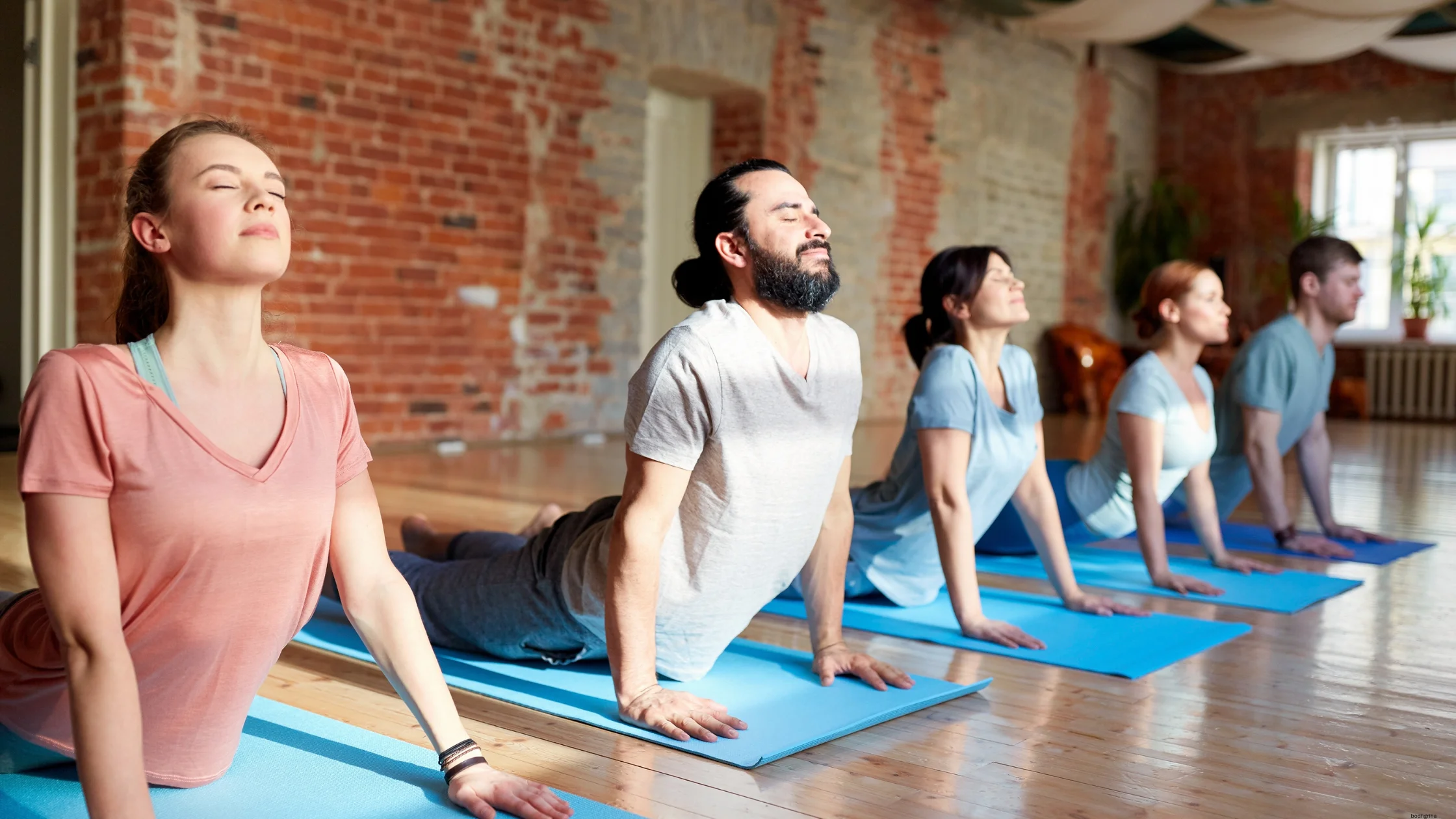
Solo Yoga Retreats: Is It Safe & Transformative?
Discover how embarking on a solo yoga retreat can be both safe and life-changing. Learn about the emotional benefits of traveling alone, safety tips for women and beginners, top welcoming destinations, and a budget-to-luxury cost comparison to help you plan your journey.
The Emotional Journey of Solo Yoga Retreats
Going on a yoga retreat alone offers a unique opportunity for self-discovery and personal growth. Stepping out of your routine, you’ll have dedicated time to reflect on your priorities and unwind from daily stresses. Many solo travelers report feeling more centered and “at home in their body” through mindful practices and nature immersion. In retreat settings, nourishing meals, yoga, and meditation often improve mental clarity and reduce stress, helping you return home refreshed.
Yoga retreats also foster a strong sense of community and connection, even when you start out as a solo traveler. Sharing daily practice and meals with strangers creates a special bond: people often find it “easier to be open” without the pressures of work or home life. The shared experience of learning and laughter can spark deep friendships that “will genuinely stay with [you] forever”. Importantly, retreats allow you to choose your own pace - you can mingle during group sessions or simply enjoy quiet time alone. As one solo retreat-goer notes, you’ll meet friendly people but always have space to chill if you need it.
Key benefits of solo yoga retreats include:
- Personal Growth & Self-Discovery Time away from daily life encourages introspection and new perspectives.
- Connection with Nature Many retreats take place in stunning natural settings (beaches, jungles, mountains), which can be rejuvenating and grounding.
- Physical and Mental Wellness Structured days of yoga, meditation, and healthy food support your well-being, reducing anxiety and improving resilience.
- Community Support Even alone, you’ll often find a supportive circle of fellow yogis. Practicing together builds camaraderie and can lead to lasting friendships.
Together, these factors make a solo retreat an enriching and often transformative experience...boosting confidence and reminding you that you can handle challenges on your own.
Safety Considerations for Solo Yoga Travelers
Safety is a common concern for anyone traveling alone, especially women and first-time travelers. The good news is that many popular yoga retreat destinations are known to be quite safe and have communities experienced with solo visitors. For example, places like Costa Rica and parts of India (e.g. Rishikesh) are “one of the safest countries in Central America/India for solo female travelers”. In Nepal, violent crime against tourists is extremely rare and locals are generally warm and accustomed to female travelers. In general, countries that emphasize wellness tourism tend to have established safety infrastructure for guests.
When choosing a retreat location, do your homework:
- Check local travel advisories and read recent reviews from other solo travelers. It helps to select areas that rank high on safety indices or are recommended in travel guides for solo female travelers (for instance, Thailand and Spain are often cited as very welcoming and safe for solo women.
- Within any country, opt for well-known retreat regions or resorts with good security measures.
- Be mindful of local customs (dress modestly in conservative areas
- Arrange airport transfers when arriving at night, and let someone back home know your itinerary.
On retreat itself, many centers cater to solo visitors: accommodations often include single rooms without extra charges, and staff can help coordinate group outings so you’re never truly alone. Trust your instincts: if something feels off, seek staff assistance or stick to common areas. Overall, with basic precautions and smart planning, traveling solo to a yoga retreat can be very safe, and the retreat atmosphere itself provides added security and camaraderie.
Popular Destinations for Solo Yoga Retreats
Bali, Indonesia
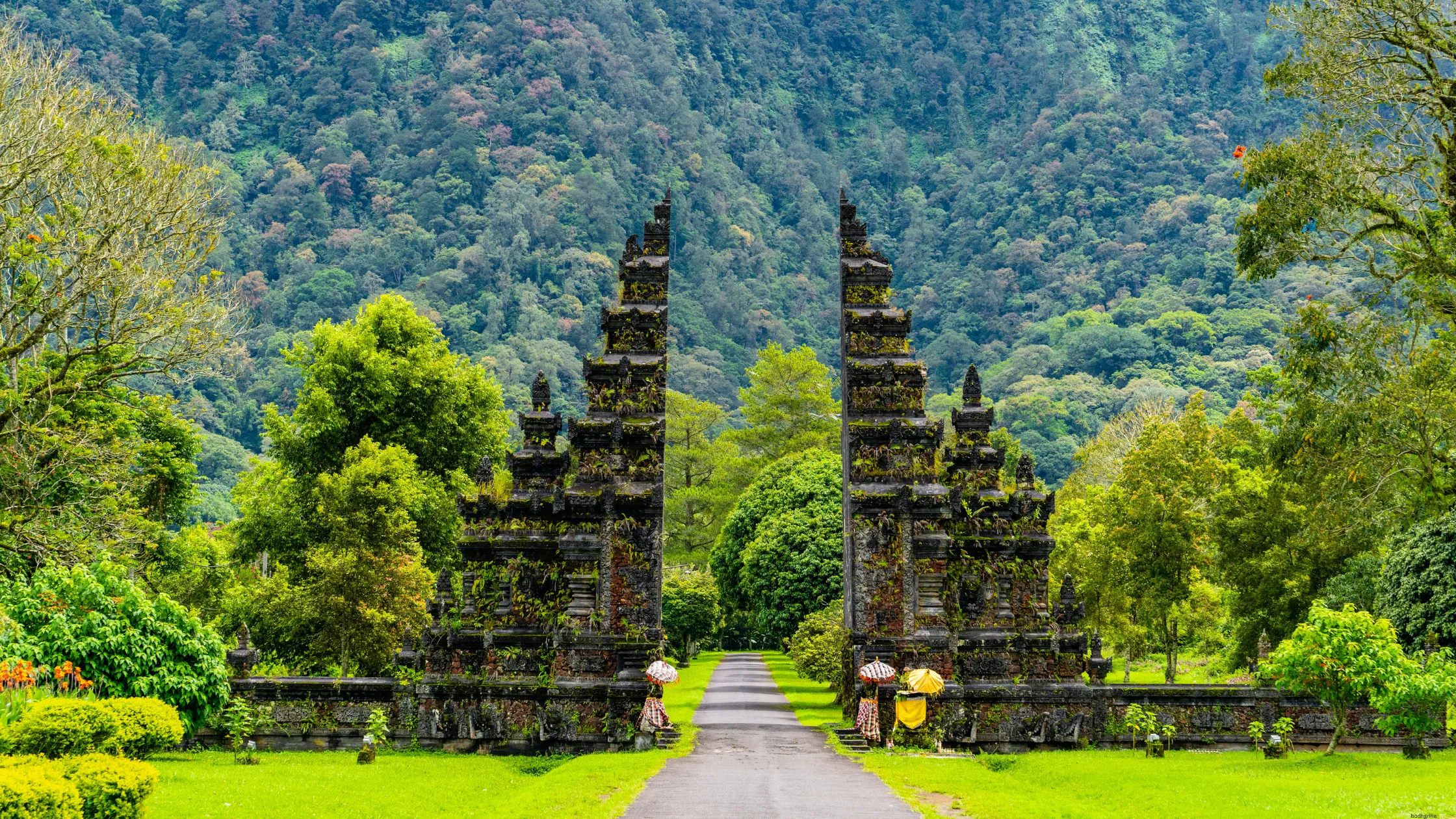
Bali’s spiritual heart (Ubud) is famous for lush rice terraces, jungle temples, and a thriving yoga scene. The island’s natural beauty and “Sacred Sanctuaries” make it easy to immerse yourself in practice. Many Bali retreats offer shared dorms or affordable bungalows, which lowers costs and helps solo travelers feel at home. Bali is also known for its welcoming, “cheerful Balinese spirit” and relatively low cost of living. Even on a modest budget you can find a retreat for around €20 per night (about $150 per week). In practice, expect daily yoga on the beach or in the jungle, Balinese healing sessions, and healthy meals. Overall, Bali provides both the freedom to explore alone and the community of international yogis to connect with.
Rishikesh, India
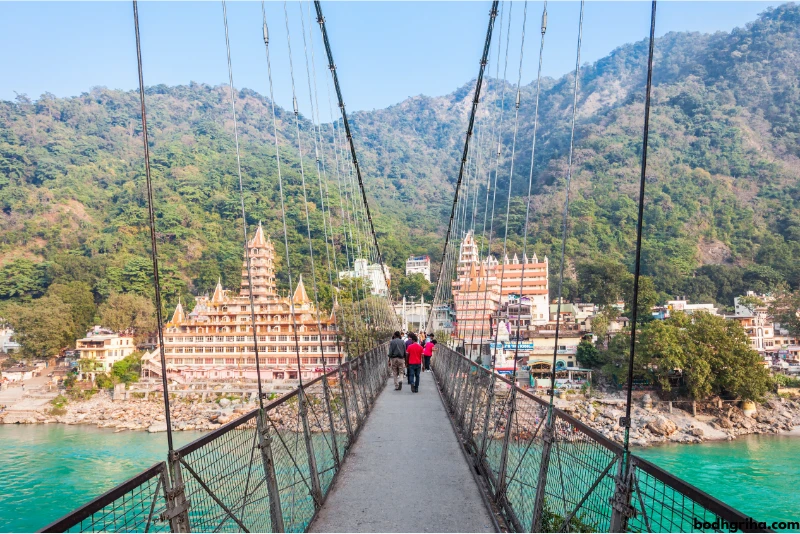
Considered the “Birthplace of Yoga,” Rishikesh sits on the holy Ganges River in the Himalayan foothills. It attracts spiritual seekers from around the world, including many women traveling solo. Numerous ashrams and retreat centers in Rishikesh even offer women-only accommodations and classes, so you can feel secure while embracing traditional yoga practices. The daily schedule typically includes multiple yoga sessions, meditation, and chanting ceremonies by the river. Rishikesh is widely regarded as one of the safest places in India for women travelers; just remember to dress modestly and respect local culture. Yoga retreats here tend to be very affordable ... many budget retreats cost $200–$500 per week, making India a great choice for beginners on a budget, without skimping on authenticity.
Costa Rica
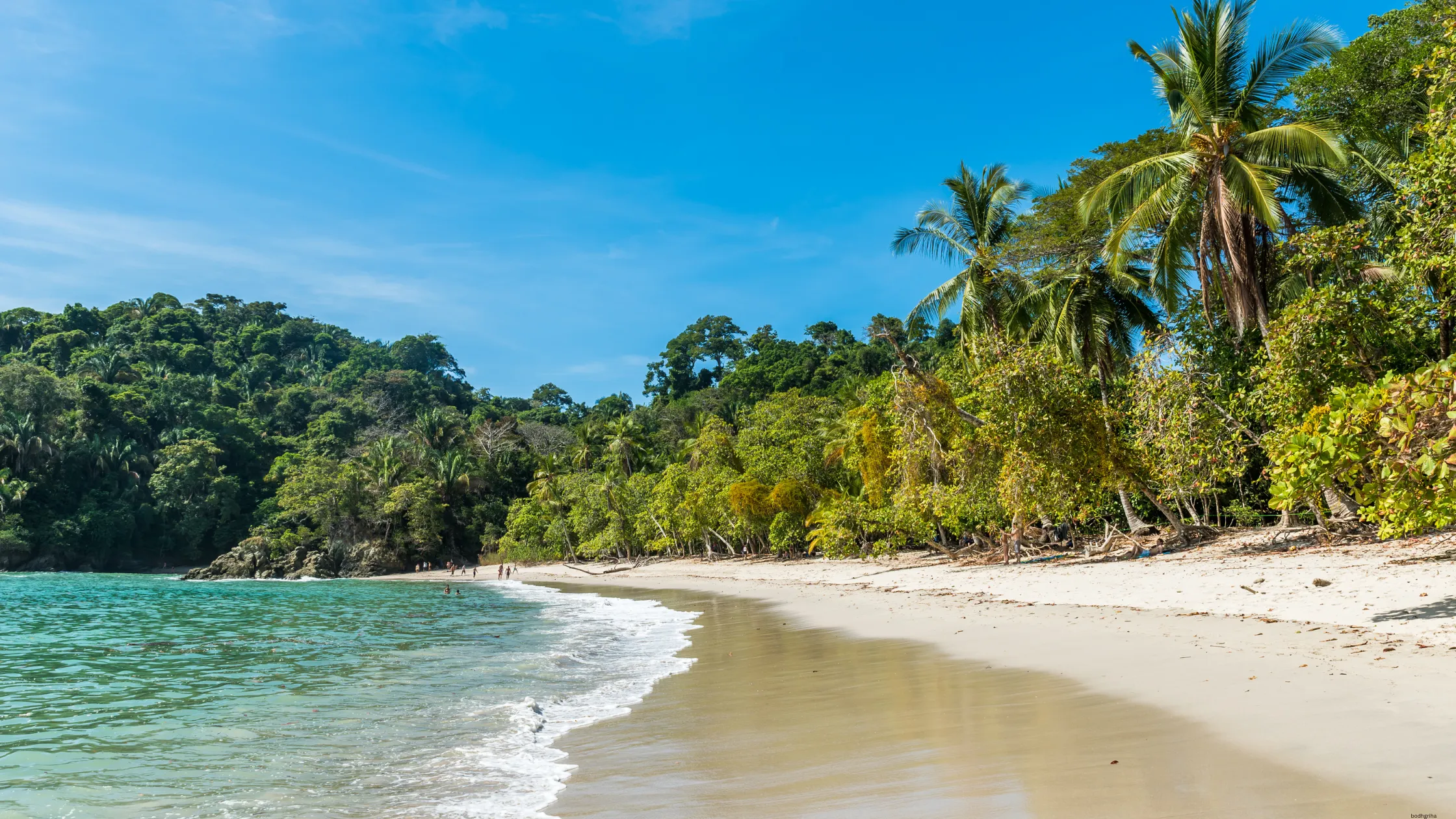
Costa Rica’s “Pura Vida” (pure life) vibe and biodiverse landscapes create a relaxing backdrop for yoga retreats. Retreats often take place on the jungle-clad Nicoya Peninsula or coastal areas, combining yoga with activities like surfing, zip-lining, or wildlife hikes. Many centers here cater to women and often include meals, making travel easier on your wallet. Importantly, Costa Rica is one of Central America’s safest countries for solo female travelers. English is widely spoken in tourist areas, and the wellness community is tight-knit. You might practice morning yoga on a beach or mountain deck, then spend afternoons exploring nearby rainforests or hot springs. Shared rooms or dorms help reduce costs (budget options start around $300 per week), while more luxurious jungle resorts can run upwards of $1,500 per week.
Tulum, Mexico
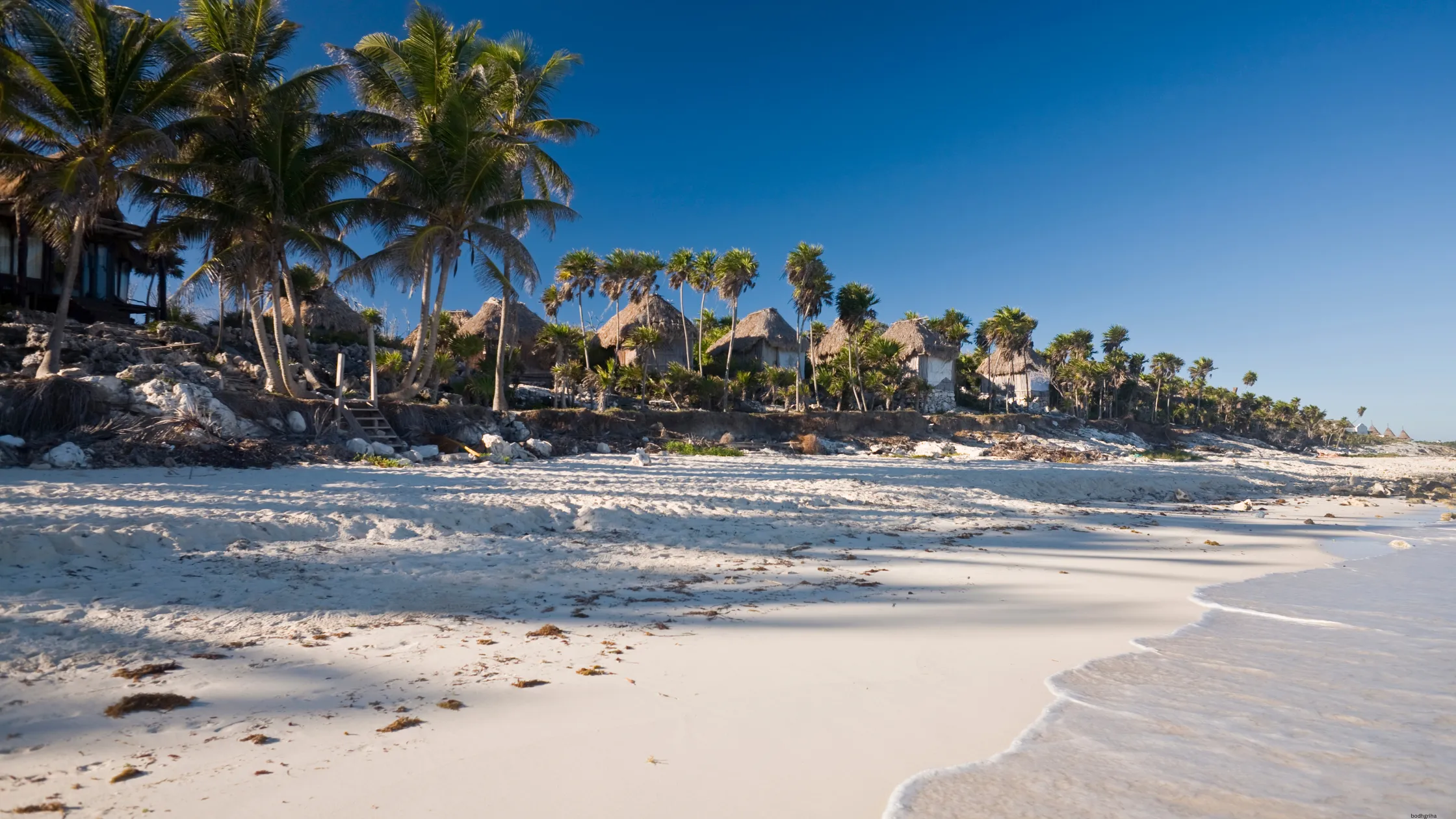
Tulum is a beachside town on the Yucatán Peninsula known for its bohemian atmosphere, Mayan ruins, and yoga culture. Morning classes on the Caribbean shore and sunset meditations by ancient cenotes (limestone sinkholes) are common. The local yoga community is friendly and international, making it easy for solo travelers to find companions for outings. Like Costa Rica, Mexico (and especially Tulum) tends to be affordable, with many retreat guests coming from North America. The wellness cuisine is excellent (fresh smoothies, tropical fruit, etc.), and English is widely understood among instructors and staff. Tulum itself is relatively safe (stick to well-trodden areas and avoid wandering dark, deserted beaches at night), and accommodations range from rustic beachfront huts to boutique resorts. Costs here are moderate: budget-friendly retreats often run $250–$600 per week, while luxury beachside packages can exceed $1,200 per week.
Chiang Mai, Thailand
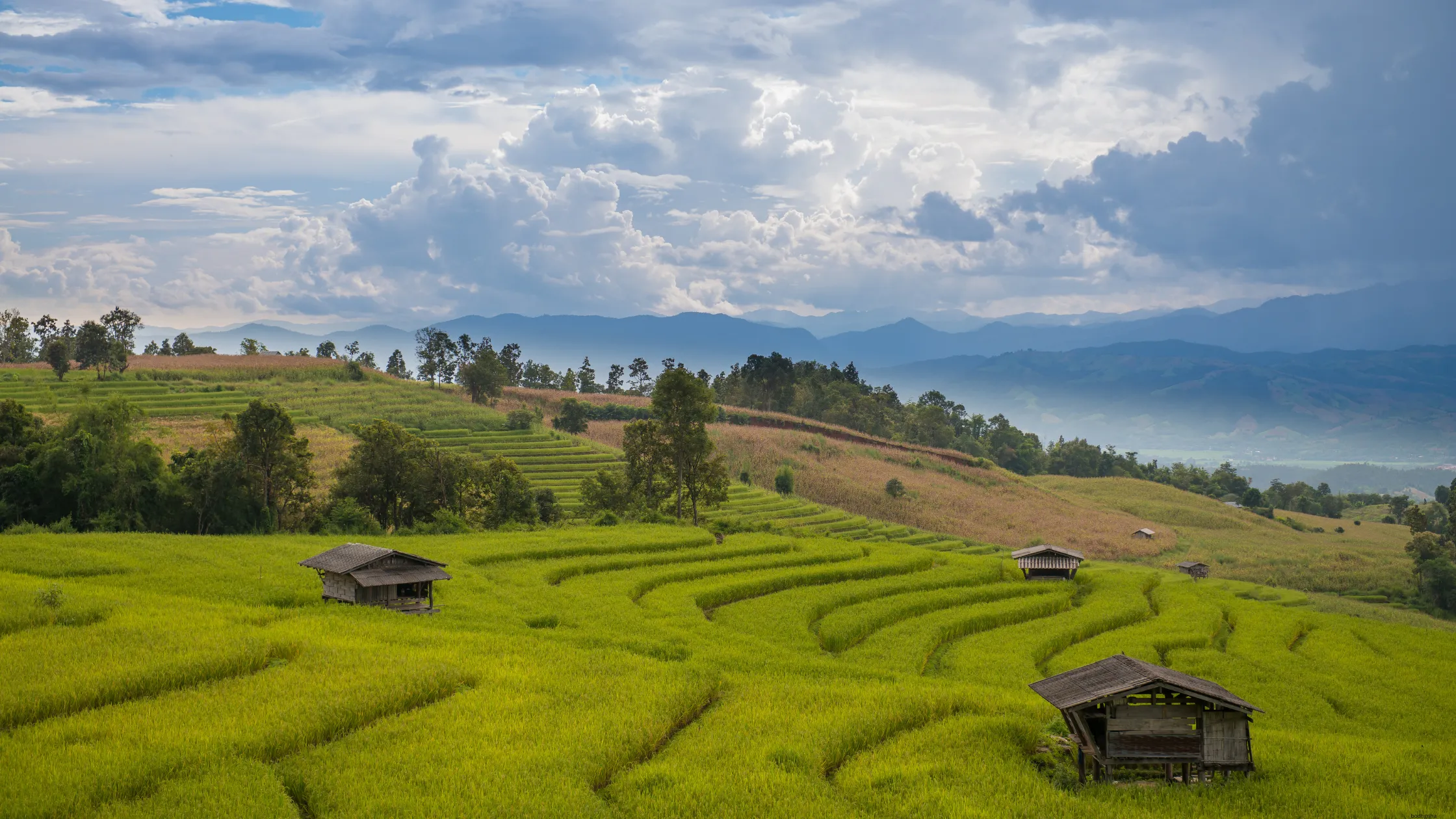
Thailand is a classic destination for solo female travelers, thanks to its warm hospitality, good infrastructure, and low cost of living. In the north, Chiang Mai (and nearby Pai) has become a yoga and wellness hub. Here you’ll find mountain retreats surrounded by forests, often combining yoga with Thai massage and meditation. Many Chiang Mai centers offer shared accommodations or single rooms with no extra fee, making luxury wellness surprisingly affordable. Solo travelers appreciate that there are always group classes and excursions to join if they wish. A typical Chiang Mai retreat might include multiple yoga styles, vegetarian meals, and cultural excursions (temple visits, cooking classes). Prices can be very reasonable: think $200–$500 per week for budget to mid-range stays, and around $1,000 or more for high-end packages.
Pokhara/Kathmandu, Nepal
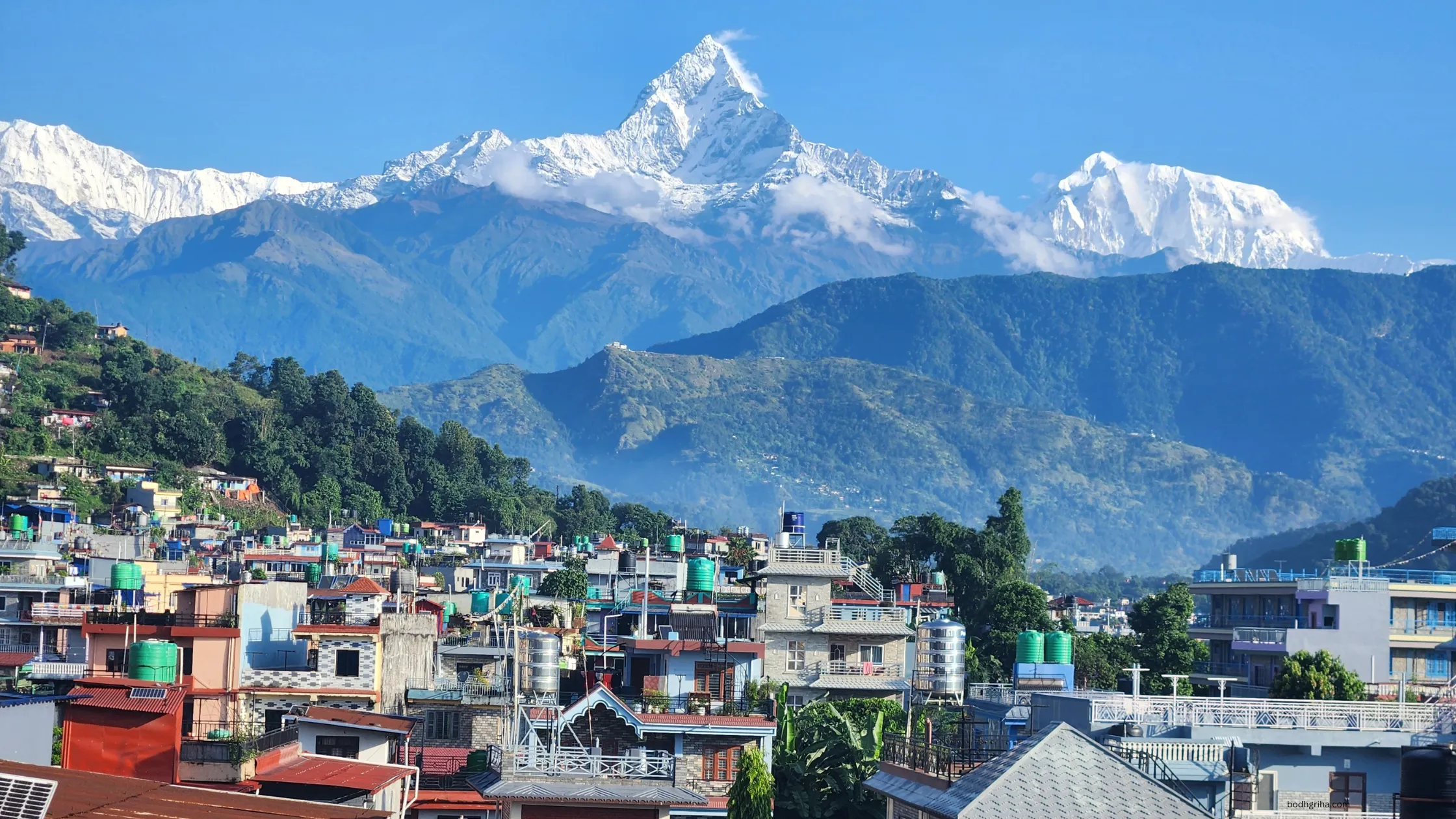
For a serene Himalayan experience, Nepal offers quiet retreats in the foothills of the world’s highest peaks. Places like Pokhara or the Kathmandu Valley have small yoga centers and meditation huts where you can unplug amidst mountain vistas. Nepal’s strong spiritual culture (Buddhist and Hindu influences) adds depth to a wellness trip. Importantly, Nepal is generally safe for women traveling alone: violent crime against tourists is very rare, and locals are known for their kindness and hospitality. Most visitors speak English, especially in tourist-friendly areas, and many retreats include guided hikes or temple tours. Expect a slower pace here ... yoga by snow-capped peaks and humble accommodation. Costs in Nepal are quite low: budget retreats can start around $150 per week, while upgraded packages (with private rooms and extra excursions) might run $800+.
Cost Comparison: Budget vs Mid-Range vs Luxury
| Destination | Budget (~1 week) | Mid-Range (~1 week) | Luxury (~1 week) |
|---|---|---|---|
| Bali, Indonesia | $150 (shared room) | $500 (private bungalow) | $1000+ (resort villa) |
| Rishikesh, India | $200 (dormitory) | $400 (standard room) | $800+ (ashram suite) |
| Costa Rica | $300 | $700 | $1500+ |
| Tulum, Mexico | $250 | $600 | $1200+ |
| Chiang Mai, Thailand | $200 | $500 | $1000+ |
| Pokhara/Kathmandu, Nepal | $150 | $400 | $800+ |
Challenges and Rewards of Solo Yoga Travel
Traveling alone does come with its challenges. Beginners often feel nervous about unfamiliarity or loneliness. You might worry about missing flights, getting lost, or what happens if you don’t click with other guests. These “what if” anxieties are normal, but in practice they usually fade on retreat. Many veterans note that “everyone’s friendly, and conversation flows naturally” in a yoga setting. Most retreats have staff to assist with logistics (transport, scheduling, questions) and offer group outings so you can choose how social or independent you want to be. If doubt creeps in before your trip, try to focus on what you want to gain: learning more yoga, exploring a new culture, or simply taking a break.
The rewards, however, can greatly outweigh the difficulties. Learning to navigate travel on your own builds confidence and a sense of accomplishment. Solo retreats encourage you to embrace spontaneity ... maybe you’ll take an unplanned nature walk, or strike up a conversation with someone from another country. Many people return home more empowered, having proven to themselves that they can thrive independently. In essence, the challenges (planning, stepping out of comfort zone) lead to huge personal growth ...making the journey deeply fulfilling.
In the end, a solo yoga retreat is designed to leave space for transformation. You learn to trust yourself, often experience moments of genuine joy, and deepen your yoga practice free from day-to-day distractions. With some preparation and an open mind, going solo can be an extremely safe adventure and a profoundly rewarding one ... truly a retreat that treats and transforms you on every level.
Share this article