
Digital Detox Retreats: Why They’re So Effective
Escape the digital noise on a digital detox retreat. Learn how unplugging can reduce anxiety, improve sleep, and deepen your mindfulness and yoga practice.
Digital detox retreats are structured getaways designed for deliberately unplugging from smartphones, tablets and all screens. In effect, “digital detox is a voluntary period of abstinence from digital devices… intended to reevaluate one’s relationship with technology”. By stepping away from constant pings and notifications, participants create space for reflection, creativity and genuine human connection. Rather than an ordinary vacation, these retreats offer “a structured way to unplug” so the mind can reset. In practice that means trading your inbox for morning yoga in a quiet meadow, or screen time for a long evening walk. In short, a digital detox retreat gives you permission and guidance, to disconnect and be fully present without distractions.
Psychological and Emotional Benefits
Unplugging this way often brings immediate mental relief. Constant digital stimulation fires up stress hormones, so turning off devices can quickly “lead to a decrease in anxiety and an enhancement in mood”. In fact, researchers report people feel “meaningfully less anxious and stressed and more satisfied with their lives” after even a short detox. Wellness experts note that unplugging tends to “reduce anxiety and boost happiness”, and many retreat guests leave saying they feel noticeably calmer and lighter than when they arrived.
With digital noise gone, attention spans rebound. One study found participants who stopped using their smartphones (even for just two weeks) dramatically improved their focus – the boost was akin to reversing about a decade of age-related decline in attention span. In a screen-free retreat, you’ll likely find it easier to concentrate on a single task or simply to savor the present moment. Many people report that taking in nature, journaling or meditating sparks new insights or creative ideas that never would surface amid the usual tech buzz. In practice, this means calmer mornings and more mental clarity. As one review explains, a tech break lets the brain “regroup” and connect again with inner thoughts and goals, reducing the “continuous partial attention” state that digital overload often creates.

Physical Benefits of Unplugging
Stepping away from screens also lets the body relax and restore its natural rhythms. Blue light from phones and late-night scrolling disrupts sleep hormones, so avoiding devices (especially before bed) often leads to deeper rest. In fact, one study found people on a digital detox slept about 20 minutes longer per night on average. Retreat guests commonly report waking up more refreshed and energetic than usual. With no screen glare disturbing them, their circadian rhythms reset and mornings feel clearer-headed.
The physical settings of detox retreats add health benefits too. Most are nestled in nature ... forests, mountains or by the sea - where simply breathing fresh air and being active can boost your well-being. Guided “forest bathing” walks or gentle hikes in the woods, for example, have been shown to lower blood pressure and reduce cortisol. Combined with daily yoga or stretching, these activities improve circulation and muscle tone. By the end of the retreat, you’re likely to feel not only mentally recharged but physically stronger ... better rested, with less eye strain and even some new, healthier habits (like walking more or leaving your phone in another room at night).
Typical Retreat Settings and Activities
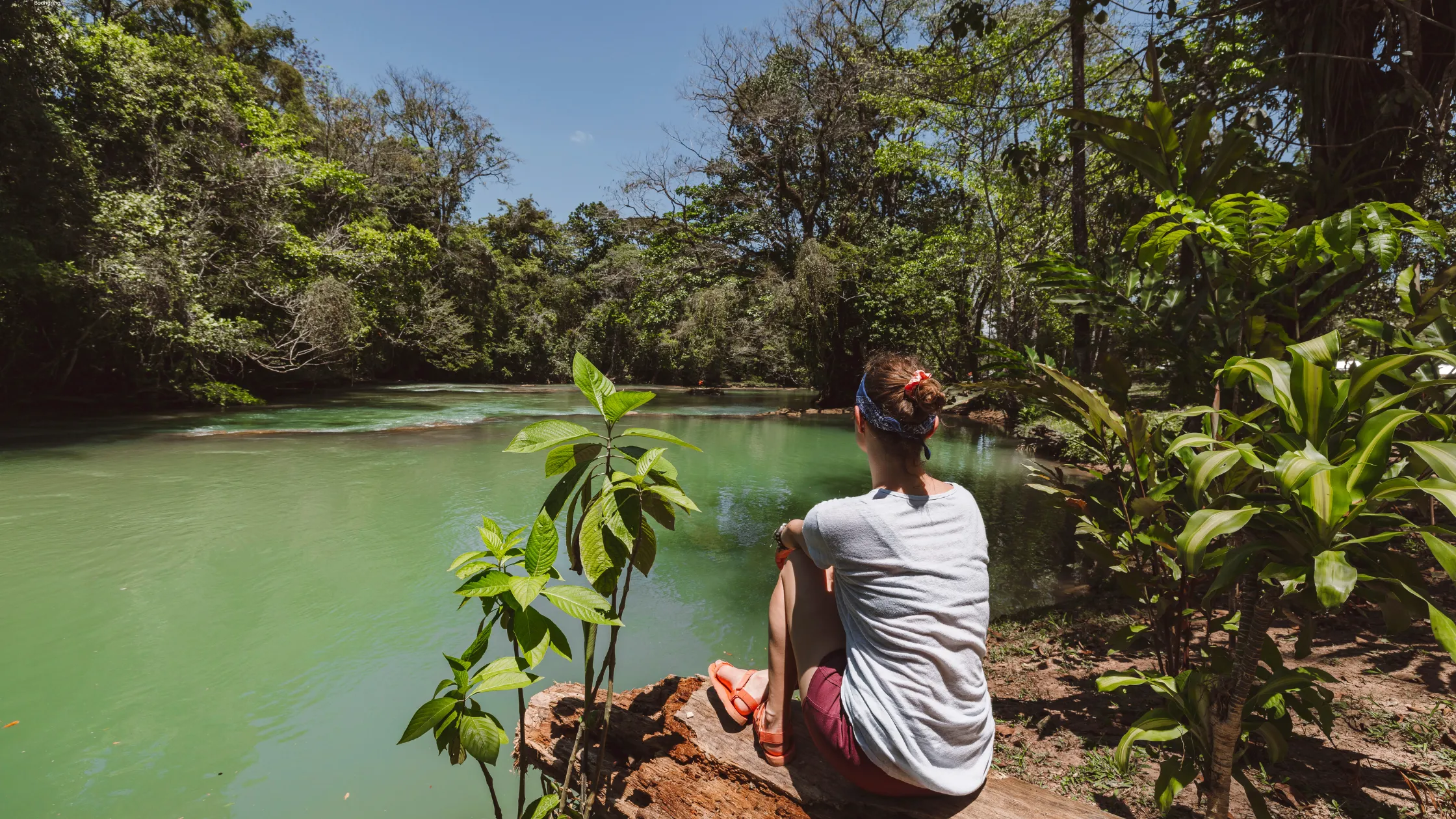
Digital detox retreats usually unfold in peaceful, off-grid locations. You might stay in a cozy mountain cabin, a forest lodge or a beachside bungalow far from city lights. Days are structured around wellness and mindfulness: for instance, a morning yoga or guided meditation session often sets a calm tone. Afterward the group may head out on nature walks, silent hikes or other outdoor explorations ... simple routines proven to lower stress and improve mood.
Free time is spent in low-tech reflection. Many retreats provide quiet activities like journaling, creative art, or mindful cooking to encourage self-awareness. For example, one guide notes that “journaling is a great way to process your thoughts and reflect without a screen,” which helps unpack mental clutter and foster self-discovery. Meals are usually communal but tech-free, taken in silence or with gentle conversation to practice mindful eating. In the evenings you might gather for breathwork or storytelling around a fire instead of scrolling social media. This blend of guided sessions and unplugged downtime is designed to maximize relaxation and inner focus each day.
How They Complement Yoga and Spiritual Practice
For anyone on a yoga or spiritual path, a digital detox retreat is especially powerful. Yoga philosophy emphasizes mindfulness ... being fully present and constant phone pings can block that quality. One instructor explains that unplugging “allows you to immerse fully in your practice, fostering deeper concentration and inner peace”. Without distractions, your physical yoga (asanas), meditation, and breathing exercises become more meditative. In the tranquil retreat setting, even spiritual practices like chanting mantras or silent reflection can resonate more deeply. Many participants say that the silence helps them tap into intuition and gratitude. In effect, the tech-free atmosphere nurtures the same qualities, patience, focus, compassion ... that yoga and mindfulness aim to cultivate. By removing digital noise, you allow the mind-body wisdom of yoga and other spiritual practices to flourish more naturally.
Practical Tips: What to Expect and How to Prepare
A bit of preparation can help you make the most of the experience. First, mentally limit your screen time before you go ... even setting app limits or designated “no-phone” hours for a few days can ease the transition. Inform family and colleagues that you’ll be offline, and consider setting an “out of office” auto-reply on email. As one travel expert suggests, an auto-reply “alleviates the internal need” to check messages, because people know you won’t respond immediately. You might also agree with any travel companions on tech-free periods (for example, no phones during meals or morning walks).
Pack mindfully for life without devices: bring a notebook or sketchbook for journaling, some favorite books, or offline hobbies like knitting or puzzles. Don’t forget practical items like comfortable clothes, hiking shoes and a good flashlight. If the retreat provides them, you might lock away your phone in a communal box on arrival ... embrace this fully. It’s normal to feel a little jittery or anxious at first without your gadgets. But go in with curiosity: most people find that after the first day or two, the quiet grows comforting. Remember, there will be plenty of human guidance (and usually friendly staff) to help fill the silence with mindful practices. By planning ahead and adjusting your expectations, you’ll set yourself up to relax and truly enjoy the retreat’s benefits.

Renewed Mind, Body and Spirit
In the end, the payoff of a digital detox retreat can be profound and lasting. By design, you’re giving yourself a pause from the habitual multitasking of daily life. As one wellness overview puts it, these retreats “aren’t just a vacation ... they’re a pathway to mental clarity and a more balanced life”. Guests commonly return feeling more present and grounded: stress and sleep data often remain improved, and many carry home simple habits like yoga or device rules that support wellness. Ultimately, unplugging together with yoga, nature and mindfulness makes space for true rest and reflection. It helps you remember that you and the world around you ... matter more than your screen. In a fast-paced world, that reconnection can be the most effective reset of all.
Share this article