Pokhara Wellness Travel Guide 2026: Mindfulness, Mountains & Slow Living
Explore Pokhara as a wellness destination in 2026. From lakeside meditation to Himalayan hikes, discover mindful travel in Nepal’s most peaceful valley.
Pokhara is Nepal’s lakeside sanctuary...where still water mirrors snow-capped peaks and daily life moves at a gentler pace. In 2026, Pokhara stands out as a destination for mindfulness, nature-based wellness, and slow, intentional travel. This guide explores why Pokhara is ideal for inner calm, how to experience meditation and yoga independently, the best seasons to visit, and how to plan a mindful stay in the Himalayan foothills.
Why Pokhara Is a Natural Wellness Destination
 A rare geography: lake, valley, and Himalayas
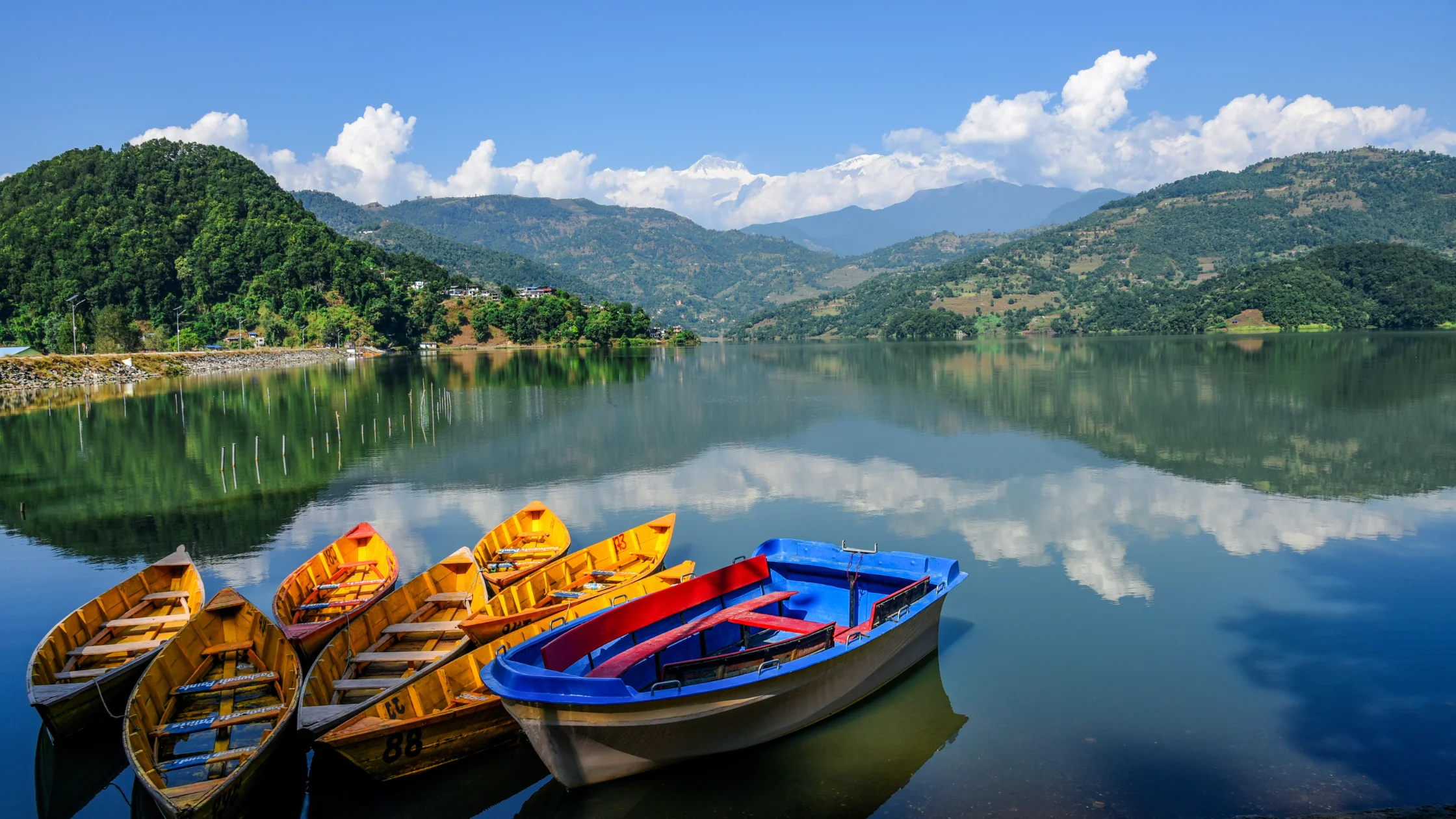
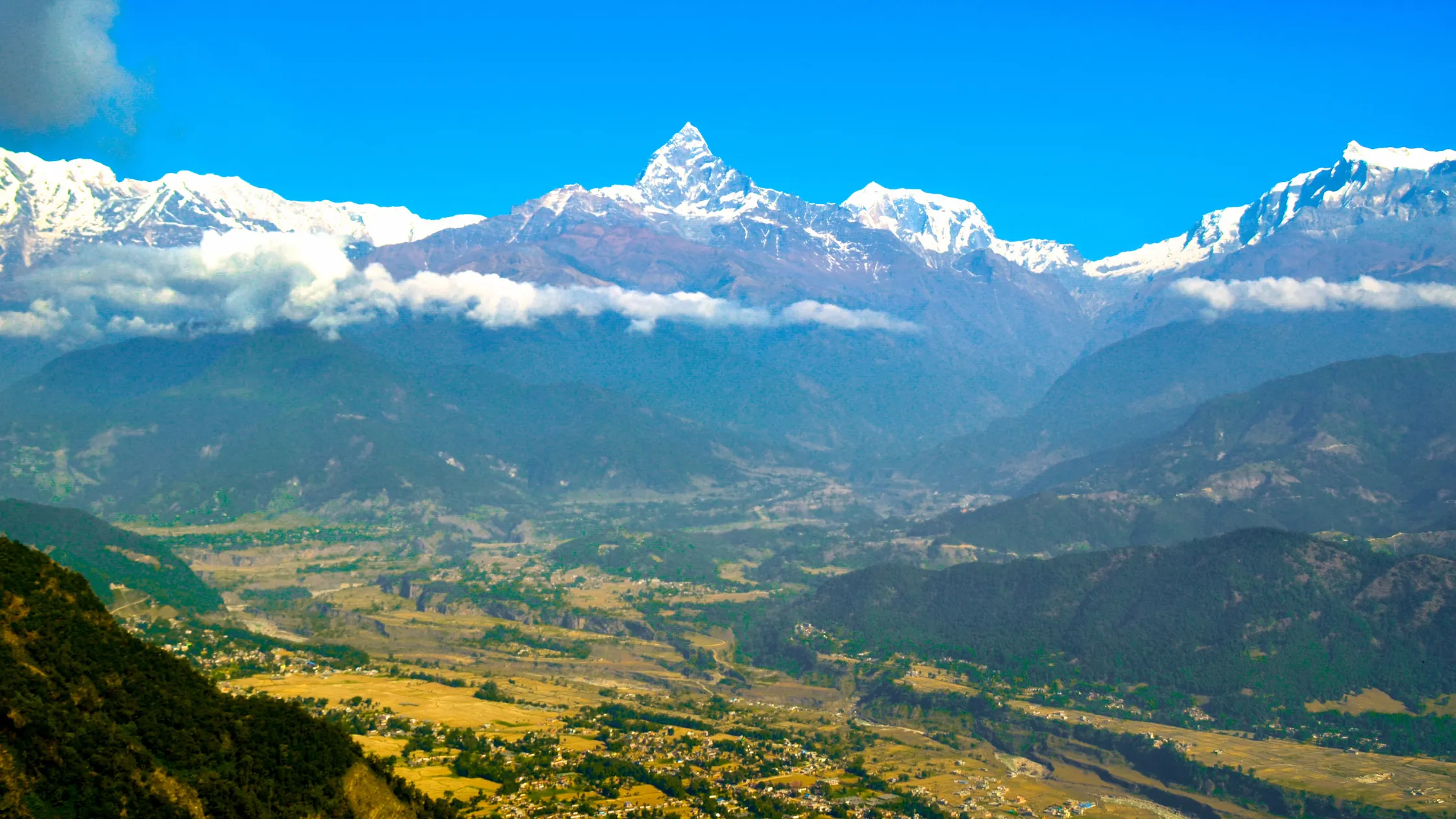
Pokhara sits between Phewa Lake and the Annapurna mountain range, creating a rare combination of water, forested hills, and high Himalayan peaks. The landscape naturally encourages reflection...quiet mornings by the lake, misty hills at dawn, and long mountain sunsets.
The valley’s mild micro-climate allows for outdoor movement practices, walking meditations, and sunrise rituals for much of the year. Unlike busier Himalayan hubs, Pokhara feels spacious, unrushed, and deeply grounding.
A slower rhythm of life
Pokhara has long attracted travelers seeking simplicity. Days unfold slowly: early mornings, long meals, afternoon walks, and evenings that wind down early. This rhythm makes it easier to disconnect from constant stimulation and reconnect with bodily awareness, breath, and presence.
Mindful Experiences in Pokhara
Lakeside meditation & walking practice
Phewa Lake is one of Pokhara’s most powerful mindfulness settings. Early mornings are especially quiet, making them ideal for:
- Seated meditation by the shore
- Breath awareness as the lake reflects the mountains
- Slow walking meditation along the lakeside paths
Boat rides across the lake can also become contemplative experiences...movement, silence, and stillness combined.
Sunrise viewpoints & daily rituals
Nearby hilltops offer panoramic sunrise views over the Annapurna range. Watching first light touch the peaks naturally draws attention inward and creates space for gratitude, intention-setting, or silent reflection.
These moments...sunrise, sunset, dawn walks...often become the most meaningful parts of a mindful journey.
Yoga as a personal practice
Many travelers choose to maintain a self-guided yoga practice in Pokhara:
- Morning stretches on balconies or terraces
- Gentle flows after long walks
- Restorative practices in the evenings
The destination supports both movement and stillness, whether you practice daily or simply move intuitively.
Nature-Based Mindfulness Beyond the City
Short hikes & forest immersion
Pokhara is surrounded by low-altitude trails that pass through forests, villages, and terraced hillsides. These walks are ideal for:
- Breath-focused hiking
- Sensory awareness practices
- Quiet observation of nature
Unlike high-altitude treks, these routes emphasize presence rather than endurance.
Multi-day Himalayan treks as moving meditation
For those seeking deeper immersion, multi-day treks in the Annapurna region can become extended mindfulness journeys. Walking for hours each day, eating simply, and sleeping early naturally strips life down to essentials...movement, rest, breath, and awareness.
These journeys are less about destinations and more about rhythm and repetition.
Spiritual & Cultural Context
Temples, stupas, and sacred sites
Pokhara and its surroundings are dotted with temples, stupas, and pilgrimage paths. Visiting these sites...quietly and respectfully...offers insight into Nepal’s blend of Hindu and Buddhist traditions.
Many travelers experience these places not as tourist attractions, but as spaces for contemplation and cultural humility.
Community and simplicity
Rural villages around Pokhara offer glimpses into a slower, community-centered way of life. Shared meals, simple homes, and daily routines grounded in nature can subtly reshape one’s perspective on consumption, time, and contentment.
Best Time to Visit Pokhara for Wellness Travel
- Spring (March–May): Clear skies, blooming forests, ideal temperatures
- Autumn (September–November): Crisp air, excellent mountain visibility, calm energy
- Monsoon (June–August): Lush landscapes, fewer visitors, but heavy rain
- Winter (December–February): Cooler mornings, quieter atmosphere, clear days
For most mindfulness-focused travelers, spring and autumn offer the best balance of comfort and clarity.
Planning a Mindful Stay in Pokhara
Where to stay
Choose accommodation that supports rest and quiet:
- Lakeside stays away from nightlife zones
- Hillside guesthouses with views and silence
- Eco-friendly or family-run lodgings
Natural light, fresh air, and simplicity matter more than luxury.
What to pack
- Comfortable layers for cool mornings and evenings
- Walking shoes suitable for trails
- A reusable water bottle
- A journal or notebook
- Minimal electronics to reduce distraction
Food & nourishment
Pokhara offers abundant vegetarian and plant-forward food options. Eating simply...warm meals, fresh produce, mindful portions...supports both physical and mental clarity.
Beyond Wellness: Gentle Exploration
When you feel called to explore:
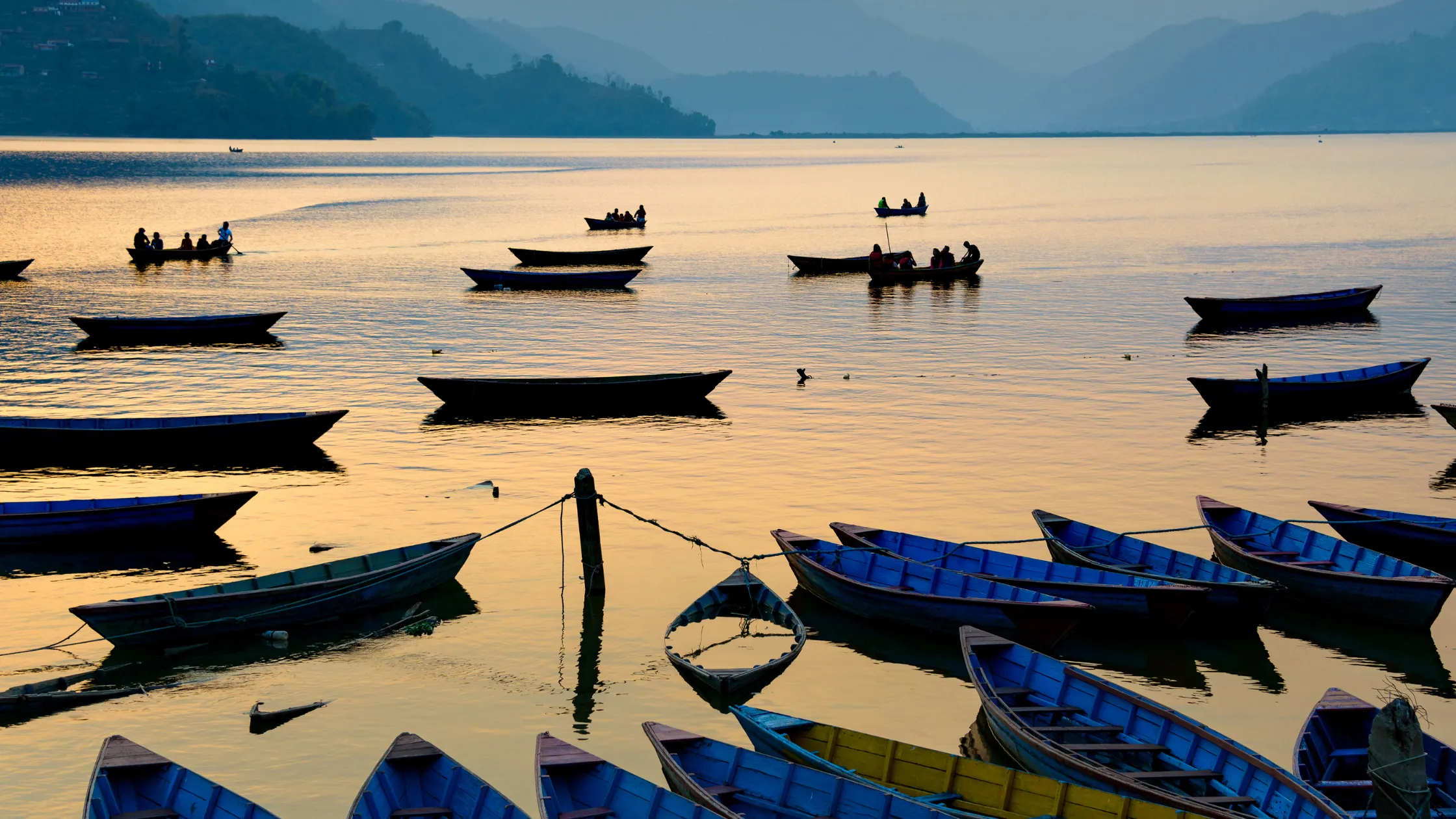
- Take a quiet boat ride on Phewa Lake
- Visit hilltop viewpoints at sunrise or sunset
- Explore nearby villages at a slow pace
- Spend an afternoon doing nothing at all
In Pokhara, rest is not something you schedule...it naturally emerges.
Pokhara does not demand transformation...it invites it quietly. Through mountains, water, silence, and simplicity, it offers the conditions for mindfulness to arise naturally.
As a destination in 2026, Pokhara stands out not because of structured programs or itineraries, but because it allows you to slow down enough to hear yourself again.
If you are seeking a place where nature supports stillness and movement finds its own rhythm, Pokhara remains one of the Himalayas’ most gentle and grounding destinations.
Share this article